
Complete Cruise Line Comparison & Cruise Holiday Guide
Compare major cruise lines, understand what is included, learn about cabins, drinks, gratuities, Wi‑Fi, dining, entertainment, shore excursions and hidden costs, and work out which type of cruise best suits you before you book.
Use This Guide to Compare
Choosing a Cruise Is About More Than the Price
Two cruises can appear similar on a booking page but deliver very different holidays. One ship might be packed with family attractions, large entertainment venues and dozens of restaurants, while another may focus on quieter spaces, destination-rich itineraries and a more traditional style of cruising.
The headline fare is also only part of the story. Gratuities, drinks packages, Wi-Fi, speciality dining, shore excursions, transport to the port and onboard activities can all affect the total cost. That is why this guide looks at both the cruise line and the wider holiday experience.
Start with the interactive comparison tool below, then use the rest of the guide to compare ships, cabin types, dining, destinations, family facilities and the practical details that can make the difference between an average cruise and the right cruise for you.
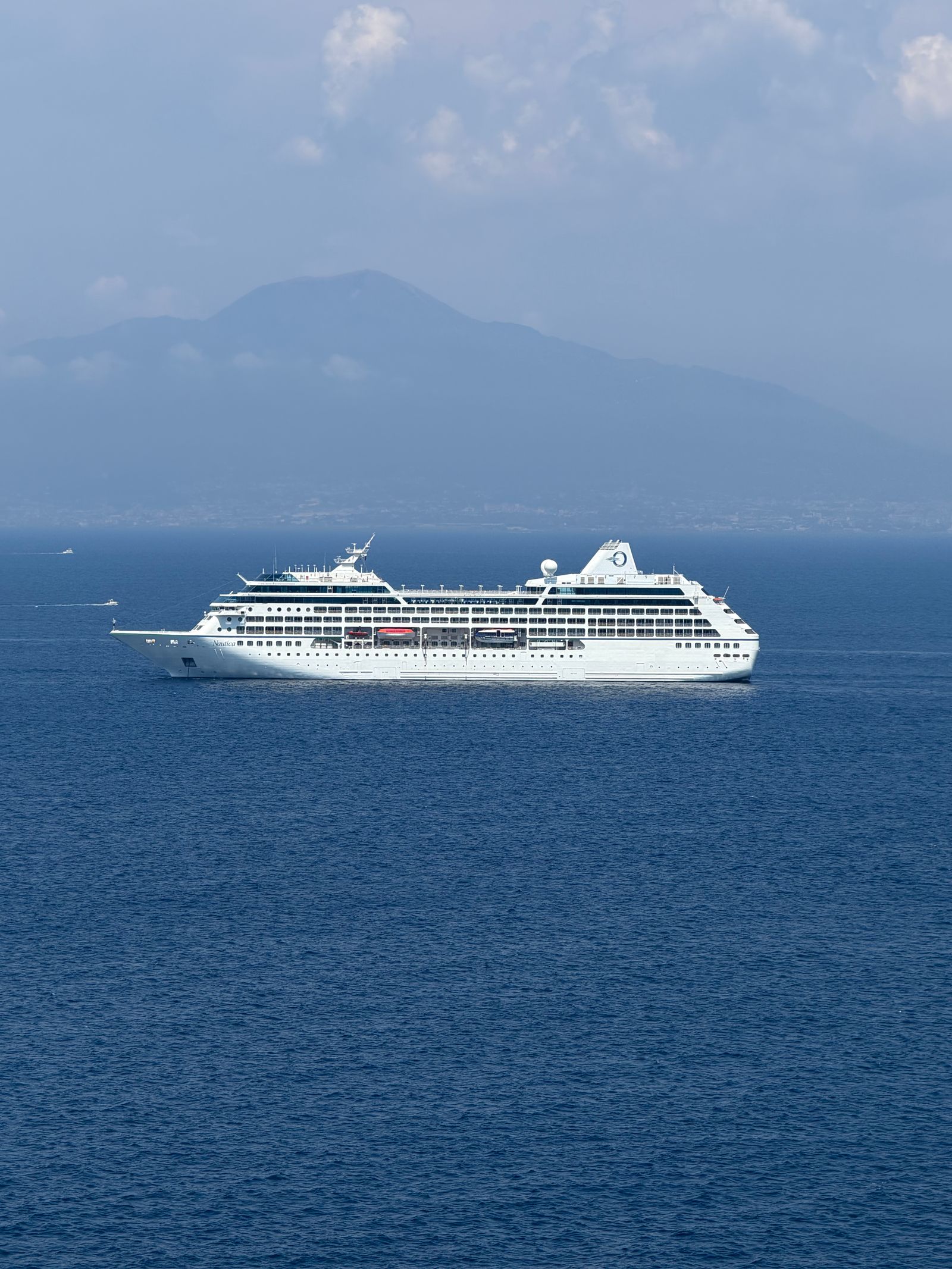
Find the Cruise Experience That Fits You
The right cruise is a combination of ship, itinerary, cabin, onboard atmosphere and what is included in the fare - not simply the lowest headline price.
Compare Two Cruise Lines Side by Side
Choose two cruise lines and compare important policy differences including gratuities, alcohol policies, drinks packages, Wi-Fi, dress codes, baggage and smoking.
Understanding the Different Cruise Line Styles
Cruise lines have their own personalities. The examples below are broad planning descriptions rather than promises about every individual ship, so always check the exact ship and itinerary you are considering.
Royal Caribbean
Often associated with large resort-style ships, broad family appeal and a wide choice of activities. A good line to investigate if the ship itself is a major part of your holiday and you want lots to do on sea days.
Carnival
Frequently positioned around an energetic and casual holiday atmosphere, with entertainment, deck activities and a relaxed approach that may appeal to travellers who want an informal cruise experience.
MSC Cruises
A large international cruise line with extensive European operations and a broad mix of itineraries. It can be attractive to travellers who want large modern ships and a multinational onboard atmosphere.
Norwegian Cruise Line
Known for a flexible approach to dining and a wide choice of entertainment and onboard venues. It can suit travellers who prefer less rigid scheduling while still wanting a large-ship experience.
Celebrity Cruises
Often positioned as a more premium mainstream option, with an emphasis on design, dining and a more refined onboard atmosphere while still operating larger modern ships.
Princess Cruises
A well-established line often associated with destination-focused itineraries, traditional cruise elements and a calmer style than some of the largest activity-led ships.
Disney Cruise Line
Strongly family-focused, with Disney entertainment, character experiences and facilities designed around families travelling with children. Prices can be higher than some mainstream alternatives, so compare what matters to your family.
Virgin Voyages
An adults-only product designed around a contemporary atmosphere, modern dining concepts and nightlife. It can appeal to couples and groups who want an adults-focused experience rather than a family cruise.
Holland America Line
Often associated with a more traditional cruise atmosphere, destination-rich itineraries, live music and a calmer onboard environment than highly activity-led resort ships.
Ships, Ports and Scenic Sailings
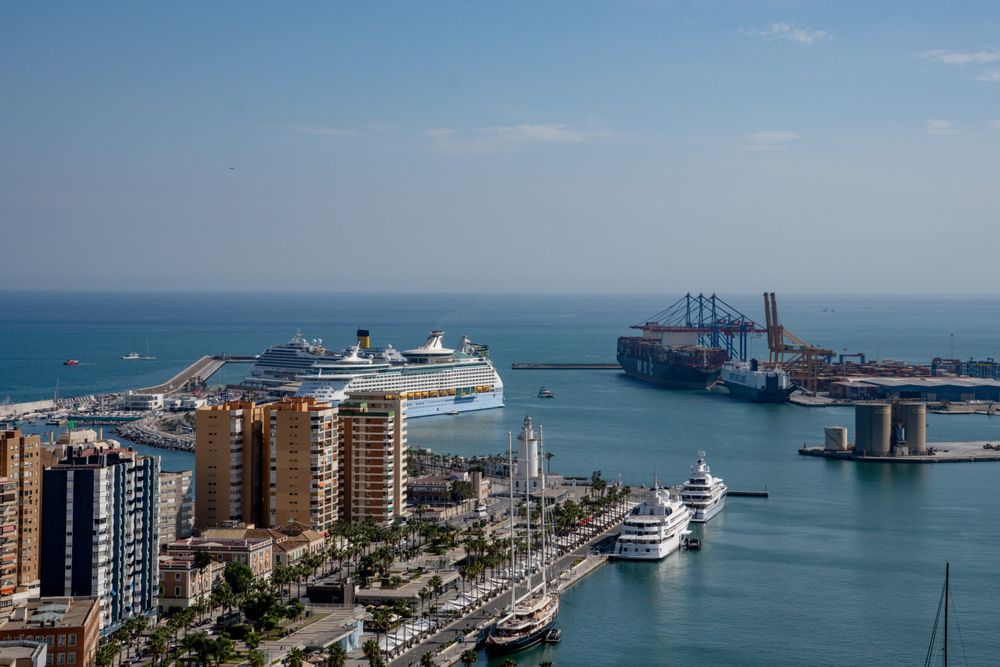
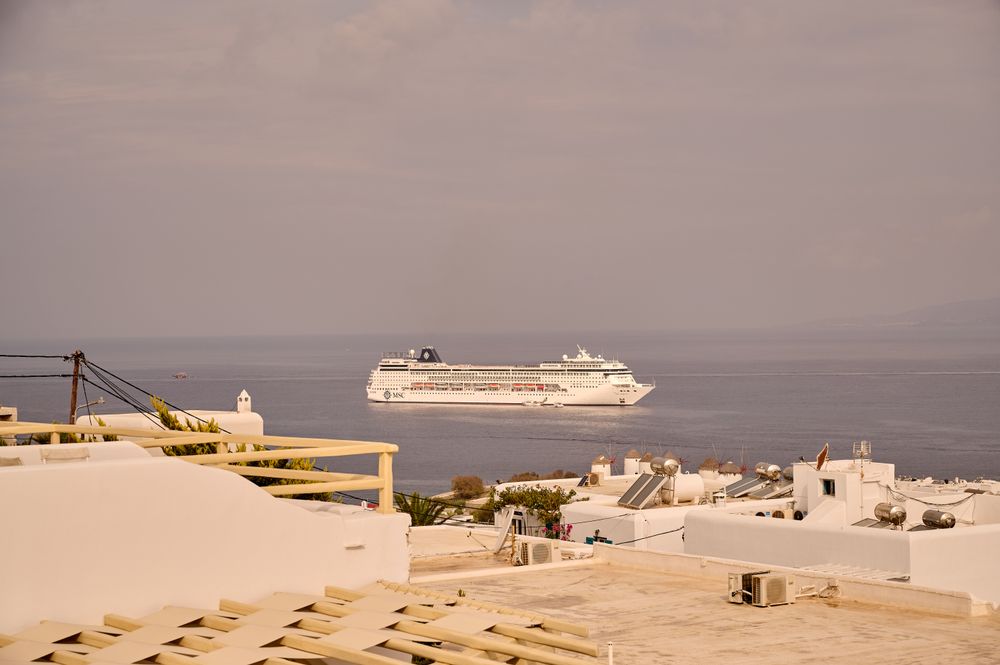
Cruise holidays can feel completely different depending on whether you choose a resort-style ship, a port-intensive Mediterranean itinerary or a scenic voyage.
Cruise Line vs Cruise Ship: Why Both Matter
The Cruise Line
The cruise line influences the overall style of the holiday: service approach, pricing structure, dining philosophy, dress expectations, drinks policies, entertainment style and the type of passenger the brand tends to attract.
It is useful for narrowing down your options, but it should not be your only decision.
The Individual Ship
The ship determines many of the things you physically experience every day: cabin size, number of restaurants, pools, children's facilities, theatres, bars, deck space, accessibility and how modern the overall product feels.
Two ships operated by the same line may offer very different holidays.
What Is Usually Included in a Cruise?
Inclusions vary, but mainstream cruise fares often bundle more than a hotel stay. Always check the exact fare rules for your sailing.
Your Cabin
Your selected accommodation for the duration of the cruise, from an inside cabin to a suite.
Selected Dining
Main dining rooms, buffets and selected casual venues are commonly included, while speciality restaurants may cost extra.
Entertainment
Many theatre shows, live music venues and general entertainment are included, although premium experiences may carry a charge.
General Facilities
Standard pools, sun decks, fitness facilities and public spaces are often included, subject to ship-specific rules.
Some Kids' Clubs
Many family lines include supervised children's clubs for certain age groups, but extra childcare can cost more.
Transport Between Ports
Your ship carries you between the destinations on your itinerary, which is a major part of the appeal of cruising.
Common Extra Cruise Costs
Extras can change the real price of your holiday significantly, especially on longer sailings.
| Possible extra | Why it matters | What to check |
|---|---|---|
| Gratuities | Daily service charges can add up quickly across a longer cruise. | Are they included, prepaid or charged to your onboard account? |
| Drinks | Alcohol, soft drinks, speciality coffee and bottled water may not all be included. | Compare individual drink prices with available packages. |
| Wi-Fi | Internet at sea may be sold as a separate package or included only in certain fares. | Check devices, speed tiers and whether streaming is supported. |
| Speciality dining | Premium restaurants can add variety but may be charged per person or per meal. | Check cover charges, packages and reservation rules. |
| Shore excursions | Organised tours can become one of the largest additional costs. | Compare ship excursions with independent options and self-guided sightseeing. |
| Spa & treatments | Massages, thermal suites and beauty treatments are typically extra. | Look for package prices and port-day offers. |
| Premium activities | Some ships charge for selected attractions or experiences. | Find out which attractions are included and which require booking. |
| Flights & transfers | Getting to the departure port can materially change the total trip cost. | Include airport transfers, hotels and possible overnight stays in your budget. |
Complete Cruise Cabin Guide
Cabin type and location can have a major impact on both comfort and price.
Inside Cabin
Usually the most affordable option. There is typically no exterior window, which can suit travellers who spend little time in the room.
Ocean-View Cabin
Provides a window or porthole to the outside. It can feel lighter than an inside cabin without the cost of a balcony.
Balcony Cabin
Includes private outdoor space, which can be especially appealing on scenic itineraries and longer cruises.
Suite
Typically offers more space and may include premium benefits, priority services or access to exclusive areas depending on the line.
Cabin Location: What to Consider
- Cabins close to lifts can be convenient but may have more passing foot traffic.
- Rooms directly under entertainment venues or pool decks can experience more noise.
- Midship cabins may feel more central and can be useful for travellers concerned about motion.
- Forward and aft cabins may offer particular views but can involve longer walks.
- Check whether a balcony or window has an obstructed view.
- Review what is directly above, below and beside the cabin before choosing it.
Families & Cabin Layout
- Check the maximum occupancy rather than assuming every cabin sleeps four.
- Look for sofa beds, pull-down berths and connecting cabins.
- Compare storage space if travelling with children or on a longer cruise.
- Check whether cots are available and whether they reduce usable floor space.
- Family suites may be convenient but can cost much more than two separate cabins.
- Connecting cabins can be useful for older children where permitted.
Cruise Dining Explained
Main Dining Room
Often included in the fare and typically offers waiter service with changing menus across the cruise.
Buffet
A flexible option with a wide variety of food, useful for casual meals, families and travellers who do not want a fixed dining schedule.
Speciality Restaurants
These venues may focus on steak, seafood, Asian cuisine or other premium concepts and often carry an extra charge.
Fixed Dining
You dine at a set time and may have the same table and waiting team each evening, depending on the ship.
Flexible Dining
You choose from available dining times rather than committing to one fixed seating for the whole cruise.
Dietary Requirements
Many cruise lines can cater for common dietary needs, but important medical or allergy-related requirements should be discussed in advance.
Are Cruise Drinks Packages Worth It?
A Package May Suit You If...
- You expect to buy several paid drinks each day.
- You value a predictable upfront holiday budget.
- The package includes drinks you would otherwise purchase regularly.
- You understand the package's daily price and service charges.
- Your itinerary includes enough time onboard to make frequent use of it.
Check the Small Print
- Which beverages and price limits are included?
- Are speciality coffees, bottled water or soft drinks included?
- Must every adult in the same cabin buy the package?
- Are there daily limits or waiting periods between drinks?
- Are gratuities added to the package price?
Wi-Fi and Mobile Phones at Sea
Internet at sea has improved significantly on many modern ships, but speed and availability still vary. Some lines sell multiple Wi-Fi tiers, while others include internet in certain fares or packages. Check whether the plan is priced per device, per person or per day.
Be particularly careful with mobile roaming at sea. Your phone may connect to a maritime cellular network rather than a normal land network, and charges can be much higher than standard roaming rates. If you are unsure, use airplane mode and connect to ship Wi-Fi manually.
Cruise Gratuities Explained
Included in the Fare
Some cruise products include service charges in the price, so there may be no separate daily gratuity to add later.
Prepaid Before Sailing
Some travellers choose to pay gratuities in advance so that more of the holiday cost is settled before departure.
Added Onboard
Other fares may add a daily service charge to the onboard account. Check the current policy before booking.
Dress Codes and Formal Nights
Cruise dress codes range from very relaxed to more traditional. Some ships have designated formal or elegant evenings, while others use broader terms such as smart casual. The rules may apply mainly to certain restaurants rather than the entire ship.
If you prefer not to dress formally, check whether casual dining alternatives remain available. If formal nights are part of the experience you enjoy, look at how many are expected on your sailing and what the cruise line recommends.
Family Cruise Guide
A good family cruise is about much more than having a swimming pool.
Kids' Clubs
Check the age groups carefully. A ship may have excellent facilities for younger children but fewer organised options for teenagers, or vice versa.
Pools & Water Areas
Do not assume every child can use every pool. Check toilet-training requirements, age restrictions and whether splash areas are available.
Family Cabins
Compare sleeping arrangements, storage, bathroom layout and whether connecting cabins might work better than one larger room.
Family Dining
Flexible dining times, casual restaurants and familiar food can make evenings much easier when travelling with children.
Sea-Day Activities
On itineraries with several sea days, onboard activities matter much more. Check what is age-appropriate and included in the fare.
Babies & Toddlers
Minimum sailing ages, nursery care, cots and baby-friendly facilities vary, so research the exact line and sailing before booking.
Choosing a Cruise for Couples or an Adults-Focused Holiday
What Couples May Value
- Quiet adult-only deck areas or pools.
- High-quality speciality dining.
- Interesting bars and evening entertainment.
- Balcony cabins for scenic itineraries.
- Spa and wellness facilities.
- Longer port stays and destination-led itineraries.
Adults-Only vs Adults-Focused
An adults-only cruise excludes children by policy, while an adults-focused ship may still accept families but offer a calmer atmosphere and fewer child-centred facilities.
If avoiding a family-heavy environment is important to you, check the actual passenger policy rather than assuming a premium brand is automatically adults-only.
Accessibility and Mobility Considerations
Modern cruise ships can offer accessible cabins, lifts and adapted public spaces, but the level of accessibility varies significantly between vessels and ports. If accessibility is important, research the exact ship rather than relying only on the cruise line name.
Port access is equally important. Some destinations use tenders, which can create additional challenges for travellers with reduced mobility. Ask the cruise line about accessible cabins, mobility-equipment policies, tender restrictions and the accessibility of planned shore excursions.
Embarkation Day: What Usually Happens
Arrive at the Port
Follow your assigned arrival window and allow extra time for traffic, parking or transfer delays.
Drop Large Luggage
Checked cruise luggage is usually taken separately and delivered to your cabin later, so keep essentials with you.
Check In
Travel documents and identification are checked before security and boarding.
Board & Explore
Cabins may not be ready immediately, so keep medication, valuables and anything needed during the first few hours in hand luggage.
Disembarkation Day
The last morning of a cruise is usually structured around leaving the ship in groups. You may be asked to place checked luggage outside your cabin the night before, then collect it in the terminal after leaving the ship.
Avoid booking an unnecessarily early flight. Even if the ship docks on time, immigration, luggage collection, port traffic and airport transfers can introduce delays. Always follow the cruise line's guidance when arranging onward travel.
Shore Excursions: Cruise Line, Independent or DIY?
Cruise-Line Excursions
Convenient and straightforward, especially in unfamiliar ports, but they can be more expensive than independent alternatives.
Independent Tours
Can offer smaller groups, different itineraries or lower prices, but you are responsible for choosing a reliable provider.
Explore Independently
Can be ideal in easy-to-navigate ports, provided you understand local transport and leave enough time to return to the ship.
What Is a Tender Port?
At some destinations, the cruise ship cannot dock directly at the pier. Instead, smaller boats called tenders carry passengers between the ship and shore.
Tendering can take longer than walking straight off the ship and may be affected by sea conditions. It can also have accessibility implications, so travellers with mobility needs should check the cruise line's specific tender policy before booking.
Why Sea Days Matter More Than You Might Think
A sea day is a day when the ship does not visit a port. On an itinerary with several sea days, your enjoyment depends much more heavily on the ship itself.
Families may value water attractions, kids' clubs and organised activities, while couples may prefer spa facilities, quiet decks and good restaurants. If your itinerary contains several sea days, spend extra time comparing the ship's facilities before booking.
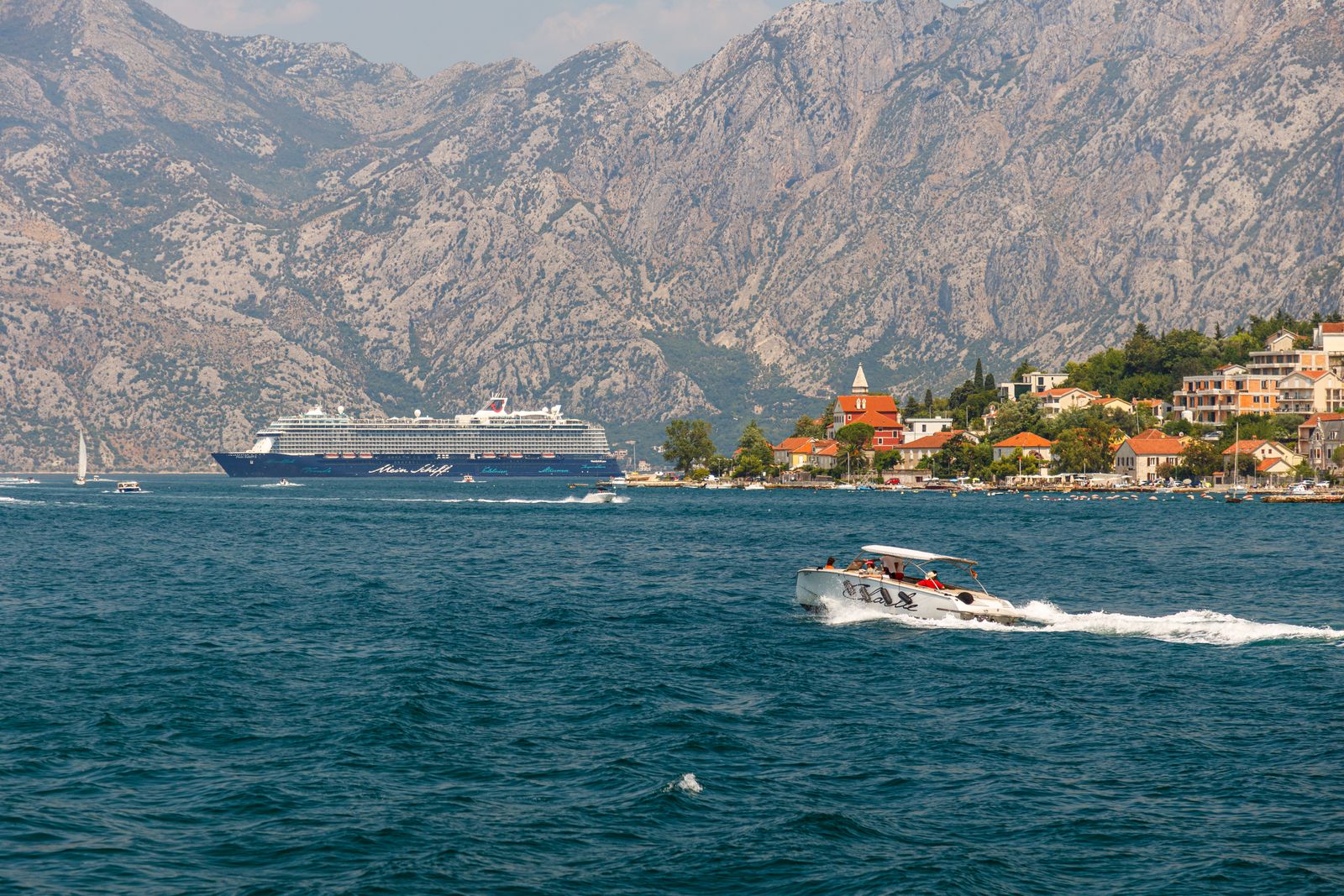
The Itinerary Can Matter as Much as the Ship
Compare port time, sea days, tender ports and the destinations themselves before deciding which sailing gives you the holiday you actually want.
Popular Cruise Regions and What They Offer
Mediterranean
Excellent for historic cities, beaches, food and port-intensive itineraries across Spain, France, Italy, Greece and beyond.
Caribbean
Popular for warm-weather cruising, beaches, island hopping and large resort-style ships.
Alaska
Scenery is a major part of the experience, making balcony cabins and itinerary details particularly important for many travellers.
Norwegian Fjords
Dramatic scenery and convenient access from northern European ports make the fjords a strong option for scenic cruising.
Greek Islands
Island-hopping itineraries can combine beaches, historic sites, small ports and famous destinations such as Santorini and Mykonos.
Northern Europe
Useful for city-rich itineraries, Baltic routes, fjords and culturally varied port days.
Transatlantic
Usually features more sea days and a slower-paced voyage, making ship facilities especially important.
Asia
Can offer varied cultures and longer-distance itineraries, but visa and entry requirements deserve careful attention.
Long Voyages & World Cruises
Best suited to travellers with the time and budget for extended cruising, where cabin choice and onboard lifestyle become particularly important.
How to Compare Cruise Lines Properly
Use this checklist to compare the full holiday rather than just the advertised fare.
| What to compare | Why it matters | Questions to ask |
|---|---|---|
| Base fare | A lower headline price may not represent the final holiday cost. | Which taxes, fees and extras are included? |
| Gratuities | Daily service charges can materially increase the cost of a longer cruise. | Are they included, prepaid or charged onboard? |
| Drinks | Beverages can become a significant onboard expense. | Would a package save money for the way you travel? |
| Dining | Some restaurants are included while others carry extra charges. | How many included venues are available? |
| Wi-Fi | Internet access may matter for work, family communication and entertainment. | Is Wi-Fi included or sold separately? |
| Entertainment | Shows, attractions and facilities vary dramatically by ship. | Which activities are included and which cost extra? |
| Cabin | Cabin size and location can have a major impact on comfort. | Is the cheapest room type suitable for your party? |
| Itinerary | The ports and amount of time ashore may matter more than the ship itself. | How long do you actually get in each port? |
| Sea days | More sea days make ship facilities more important. | Will you have enough to do onboard? |
| Departure port | Travel to the port can add flights, hotels and transfers. | What is the real door-to-door cost? |
First-Time Cruiser Checklist
Before Booking
- Compare at least two cruise lines and several ships.
- Check the exact cabin category and location.
- Calculate gratuities and likely onboard spending.
- Research the departure port and transfer options.
- Check passport validity and destination entry requirements.
- Review travel insurance that covers your cruise plans.
Before Sailing
- Complete online check-in when available.
- Download or print required travel documents.
- Check boarding time and terminal information.
- Reserve dining, entertainment or excursions if necessary.
- Pack medication and important items in your hand luggage.
- Confirm your return travel arrangements.
Questions to Ask Before Booking
About the Ship
How old is the ship? When was it last refurbished? Does it have the pools, restaurants, entertainment and children's facilities you expect?
About the Cabin
Where is the cabin located? Is the view obstructed? What is directly above and below it? Is the bed configuration suitable?
About the Itinerary
How much time do you get in each port? Are any ports tendered? Are there overnight stays or very early departures?
About the Fare
Are gratuities, drinks, Wi-Fi, dining or excursions included? What could you realistically spend after boarding?
About the Atmosphere
Is the cruise family-focused, adults-only, traditional, premium, lively or relaxed? Does that match what you want?
About Getting There
Will you need flights, an overnight hotel, parking or airport transfers? Include these in the real holiday cost.
Useful HolidayIn4U Travel Guides
Ready to Compare Cruise Lines?
Use the comparison tool near the top of this guide to compare important cruise policies side by side.
Frequently Asked Questions
How many cruise lines can I compare in the tool?
The Travel Vient comparison widget currently provides policy data for 11 cruise lines and lets you compare two at a time.
What information does the comparison tool cover?
It compares gratuities, alcohol policies, drinks packages, Wi-Fi, dress codes, baggage and smoking policies.
Does the cheapest cruise line always offer the best value?
No. The best value depends on the fare, inclusions and what you would otherwise spend on extras such as drinks, Wi-Fi, speciality dining, gratuities and activities.
Should I choose a cruise line or a particular ship?
Both matter. Cruise lines have an overall style, but individual ships can differ greatly in age, size, restaurants, cabins, entertainment and facilities.
Which cabin type is best for a first cruise?
There is no single best option. An inside cabin can keep costs down, while a balcony may be worth more on scenic itineraries or longer sailings.
Are drinks included on cruises?
Some basic beverages may be included, while alcohol, speciality coffee, bottled water or soft drinks can be charged separately depending on the line and fare.
Are cruise gratuities mandatory?
Policies differ between cruise lines and fares. Some include service charges, some allow prepayment and others add them to the onboard account. Always check the current policy.
Is Wi-Fi included on a cruise?
Sometimes, but not always. It may be included in selected fares or loyalty benefits, or sold separately as an internet package.
What is a tender port?
A tender port is a destination where the ship anchors offshore and passengers are carried to land using smaller boats instead of walking directly onto a pier.
Can I explore ports without a shore excursion?
Often yes, but you are responsible for returning to the ship on time. Research local transport, port location and journey times carefully.
How early should I arrive at the cruise port?
Follow the embarkation window provided by your cruise line and allow additional time for traffic, parking, transfers and unexpected delays.
Should I fly to the departure port on the same day?
For many travellers, arriving the day before can reduce the risk of missing the cruise because of a flight delay. The best choice depends on your route and circumstances.
Do I need travel insurance for a cruise?
Travel insurance can be particularly important for cruises because of cancellation costs, medical treatment, missed departures and itinerary changes. Check that your policy suits your trip.
Are cruises good for families?
They can be. Family-focused ships may offer kids' clubs, pools, entertainment, flexible dining and cabins designed for larger groups, but facilities vary substantially by ship.
Are all cruises formal?
No. Some lines maintain traditional formal or elegant evenings, while others are much more casual. Check the dress guidance for your exact sailing.
Is this cruise comparison tool free to use?
Yes. Visitors can use the embedded Travel Vient comparison tool without creating an account or entering an API key.




