
The Best Meal on Holiday Might Be at the Market
How to find local food markets, order with confidence and turn an ordinary wander into one of the best parts of your trip.
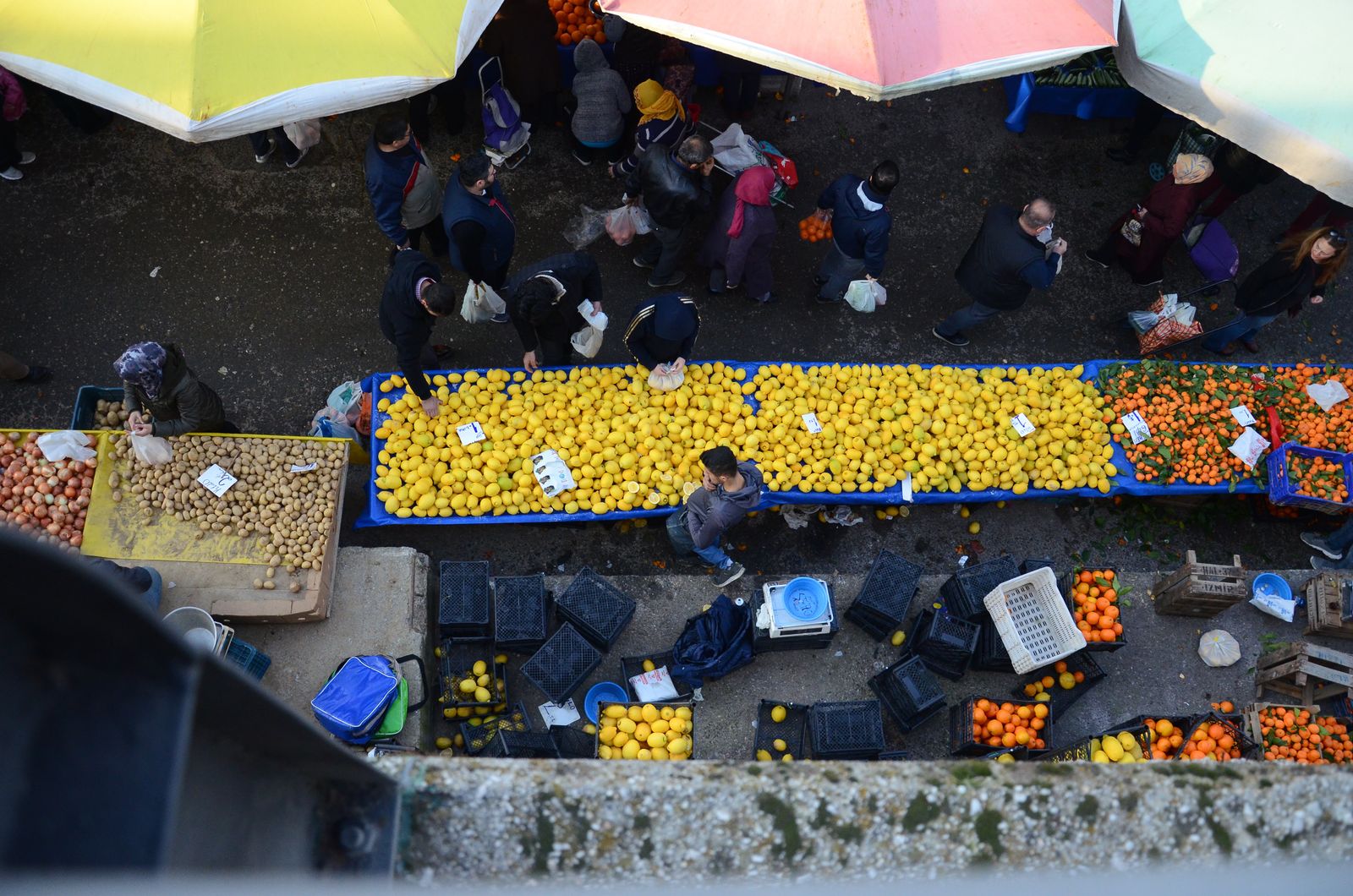
You can spend ages looking for the perfect restaurant, then walk past a market where somebody is making lunch right in front of you. There are vegetables you cannot name, bread still warm from the oven and a queue of locals who clearly know something you do not.
For me, a food market is one of the easiest ways to get a feel for a place. It need not become a grand culinary mission. You can go for breakfast, buy a picnic, try one unfamiliar thing or just enjoy the bustle. Here is how I would make the most of it without paying tourist prices or filling a suitcase with cheese that cannot survive the journey home.
Find the market people actually use
Search for food markets in the neighbourhood where you are staying, then check the opening days on the market’s own website or the local tourism office. A beautiful listing can be years old. Some markets run every morning, some only on certain days and some shut much earlier than you would expect. Save the address and opening hours before you leave the hotel.
Look beyond the famous central food hall. A smaller neighbourhood market can be easier to browse, especially if you want ingredients for an apartment breakfast or a picnic. I look for several independent stalls, clearly displayed prices and shoppers buying their normal groceries. That tells me more than a sign promising an “authentic experience”.
If your destination has a produce market and a separate evening street-food market, treat them as two different outings. One is good for a morning wander and picnic supplies; the other is more like a casual meal out.
Go hungry, but not absolutely starving
Arrive early enough to see a choice of stalls, but give yourself time to wander before buying the first thing you see. Market hours vary widely, so check them rather than assuming everything will still be open after lunch. If you are travelling in hot weather, a morning visit is often more comfortable for walking around and carrying food.
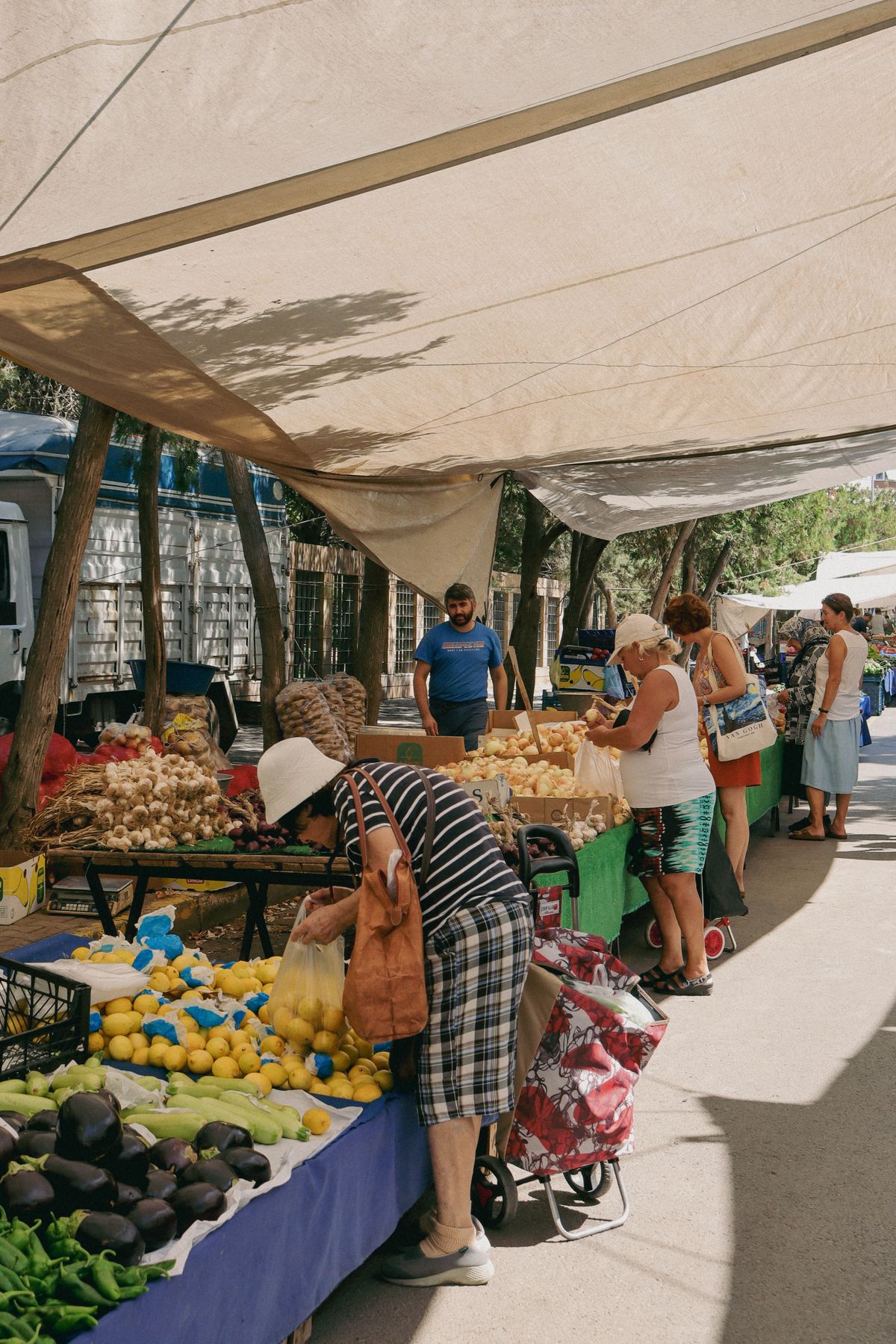
Make one slow lap. Notice where people are ordering, whether there is space to sit and which stalls sell prepared meals rather than ingredients. Then choose a couple of things you actually fancy. A food market gets expensive surprisingly quickly if every “just a little taste” costs the price of a starter.
You do not need to speak perfectly to order well
Learn hello, please, thank you and the word for the local currency. A friendly greeting, a smile and pointing at the item usually get you a long way. If the dish has a name on a sign, take a quick photo or type it into a translation app. You can also show a number with your fingers, though check whether that number means individual pieces or a serving.
Ask what is inside a dish before ordering if you have an allergy, dietary requirement or strong preference. A translation card prepared in the local language is more reliable than hoping a rushed conversation at a busy stall covers it. If the answer is unclear, choose another option. It is perfectly reasonable to ask the price before handing over money, especially when the price is by weight.
Look first
Check portion size, the displayed price and whether the stall has a queue or seating.
Ask simply
Use a greeting, the dish name or a photo, and confirm any ingredients that matter to you.
Know how to pay
Carry a little local cash if needed and ask whether the stall accepts cards before ordering.
Keep track of what the meal really costs
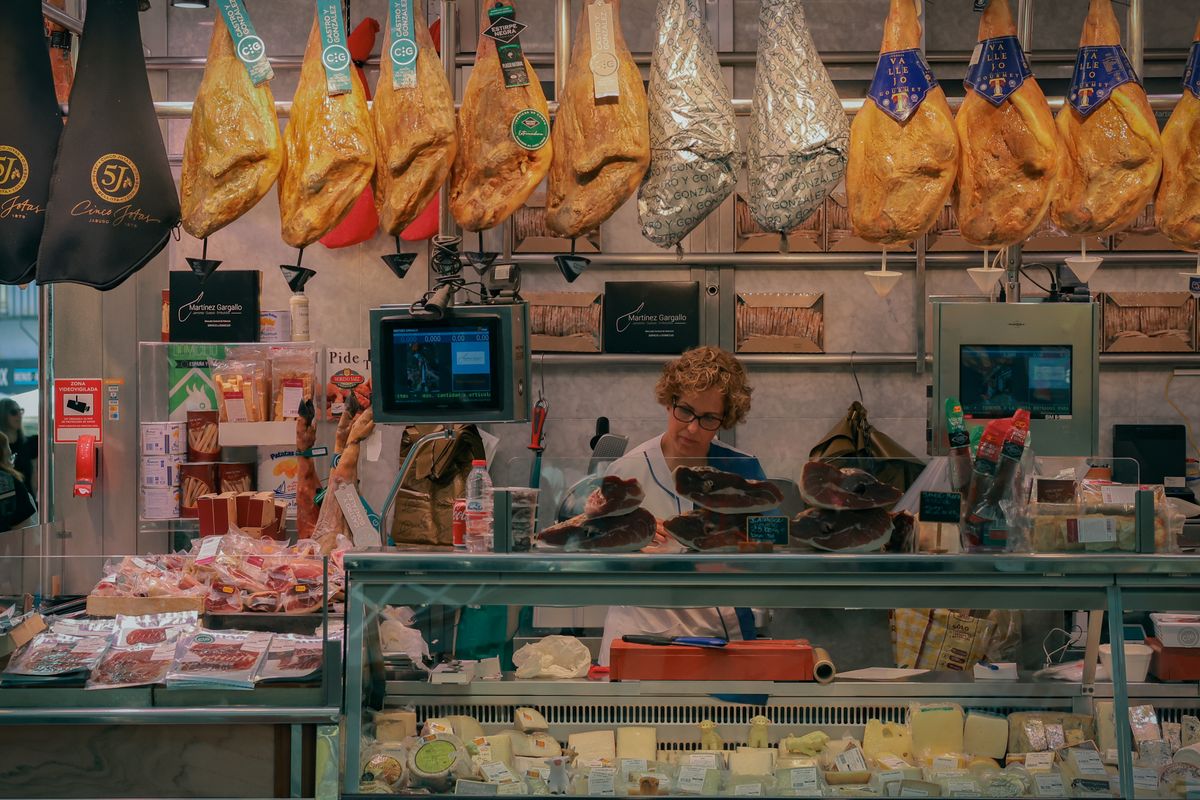
Set a loose budget before you start, particularly if there are several of you. Check whether a price is per portion, per piece, per 100 grams or per kilogram. A seafood plate, sliced ham or cheese sold by weight can cost quite a bit more than the small number on the sign first suggests. Ask for the total before it is prepared if you are uncertain.
Share one portion before ordering several different things. That leaves room to try another stall without collecting three half-finished lunches. A piece of fruit, local bread and a small savoury snack can make a memorable lunch without turning the market into an expensive tasting menu.
Famous food halls can be fun, but prices may reflect their location. If you are watching the budget, compare a couple of stalls and avoid assuming that “street food” automatically means cheap.
Choose food that makes sense for the day
Look for something being prepared while you wait, served at a temperature that makes sense for the dish and handled with clean utensils. A busy stall is a clue that people like it, although a queue alone cannot tell you everything about how food is stored. Use the same judgement you would use anywhere: if the food or setup worries you, keep walking.
Make a small meal out of contrasts: something hot, something fresh and a treat you cannot easily buy at home. The goal is not to prove how adventurous you are. You might discover a local speciality, or you might find that the warm bread is the best thing you eat all day. Both count.
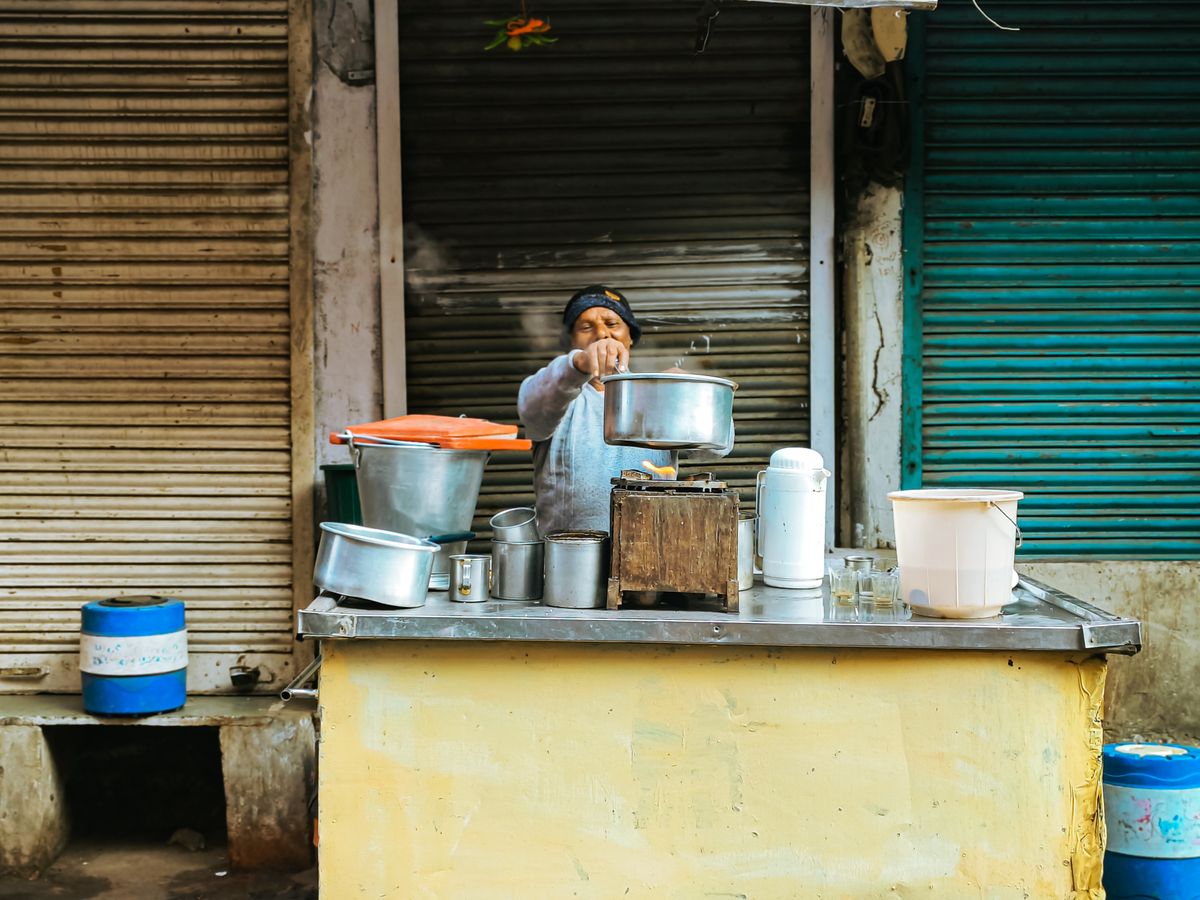
Check where you are allowed to eat. Some markets have shared tables or standing counters; others expect you to take food away. Put waste where the market asks you to and leave busy stall counters clear for the next customer.
Make it a little adventure for the children
A market can work well with children if you keep the visit short and give them something to do. Ask each child to pick one fruit, pastry or snack to share. Look for colours, shapes and ingredients they recognise. Suddenly the walk between stalls has a purpose beyond “please stop touching that”.
Check the practical details before setting off: toilets, shade, somewhere to sit and whether a pushchair will fit through the aisles. A crowded lunchtime hall may feel very different from a quiet morning market. Bring water and an easy backup snack so nobody has to choose their lunch while hungry and overwhelmed.
If you are eating together, order one familiar option alongside something new. You do not need every child to love a local speciality for the trip to be worthwhile. Sometimes they remember the person making flatbread more vividly than the meal itself.
Bring home a taste, with a little common sense
Spices, packaged sweets or a recipe you learned at a stall can be lovely reminders of a trip. Before buying anything edible to take across a border, check the current rules for bringing that product into the UK or your home country. Restrictions depend on where you are coming from and the type of food; a vendor’s assurance that it is “fine in a suitcase” is not a substitute for official rules.
Think about the journey too. Fresh cheese that looked wonderful in a chilled market display may be a poor choice for a long day of trains and flights. If you only have hand luggage, check liquid restrictions for items such as sauces and oils. A photograph of the stall name and a note about the dish can be a better souvenir than something that leaks into your clothes.
One market morning, without a spreadsheet
My simple plan
- Check the market’s opening day and arrive with time to browse.
- Walk around once, reading prices and spotting somewhere to sit.
- Pick one local savoury dish and one small sweet or fresh item.
- Ask about ingredients and price where anything is unclear.
- Find a table or a nearby spot to enjoy the food.
- Take a photo of the dish name if you want to find it again.
You can spend an hour and move on, or let the market become the start of a longer neighbourhood walk. If a stall is closed or the place is busier than expected, there is no failure to rescue. Find a café, try another street or come back earlier another day.
Let the market be part of the holiday
I like a good restaurant as much as anyone. But I also like finding a place where ordinary life is happening around me, choosing lunch by looking at what is cooking and sitting down with something I could not have planned from home. Give yourself time to look, ask and taste. The best discovery might be the one you nearly walked past.




