
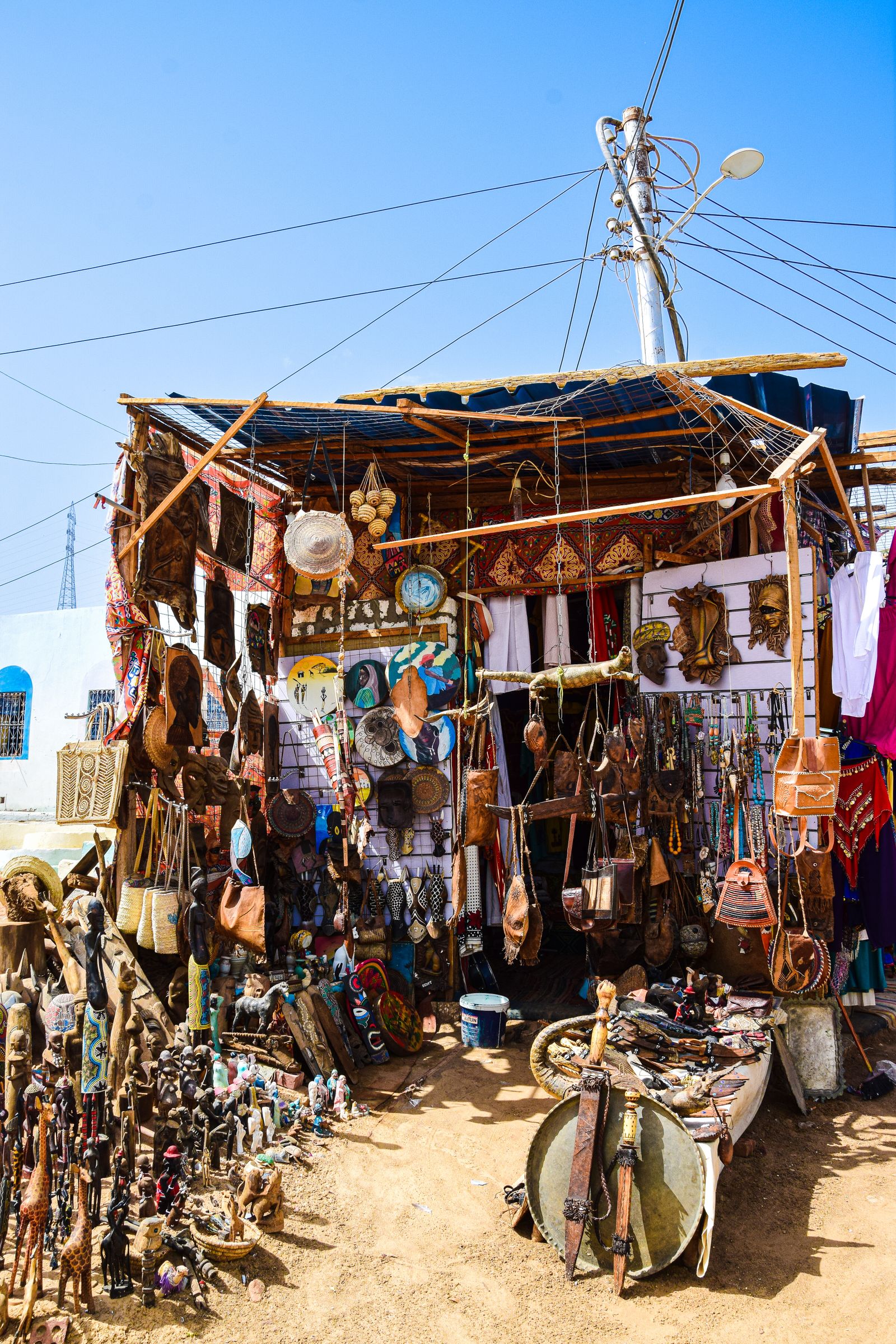
The Great Holiday Souvenir Trap
How a perfectly sensible trip ends with a tiny spoon, a questionable T-shirt and a suitcase that no longer closes.
Every holiday has a moment when your judgment quietly goes through departures without you. You have walked past seventeen ordinary mugs at home without a flicker of interest. Yet here you are, on day four, deeply moved by a mug bearing the name of a town you visited for 38 minutes.
The souvenir hunt is part memory, part theatre and part poorly timed financial decision. A good one can bring a place back in an instant. A bad one spends the next decade in a kitchen drawer, waiting for a charity shop trip. Here is an affectionate field guide to telling the difference.
Why does a fridge magnet suddenly feel essential?
At home, you know exactly what fits your shelves. On holiday, everything comes with a soundtrack: warm evenings, unfamiliar streets, a conversation you nearly managed in the local language. You are buying a reminder of that feeling, and the object is simply its tiny, slightly overpriced assistant.
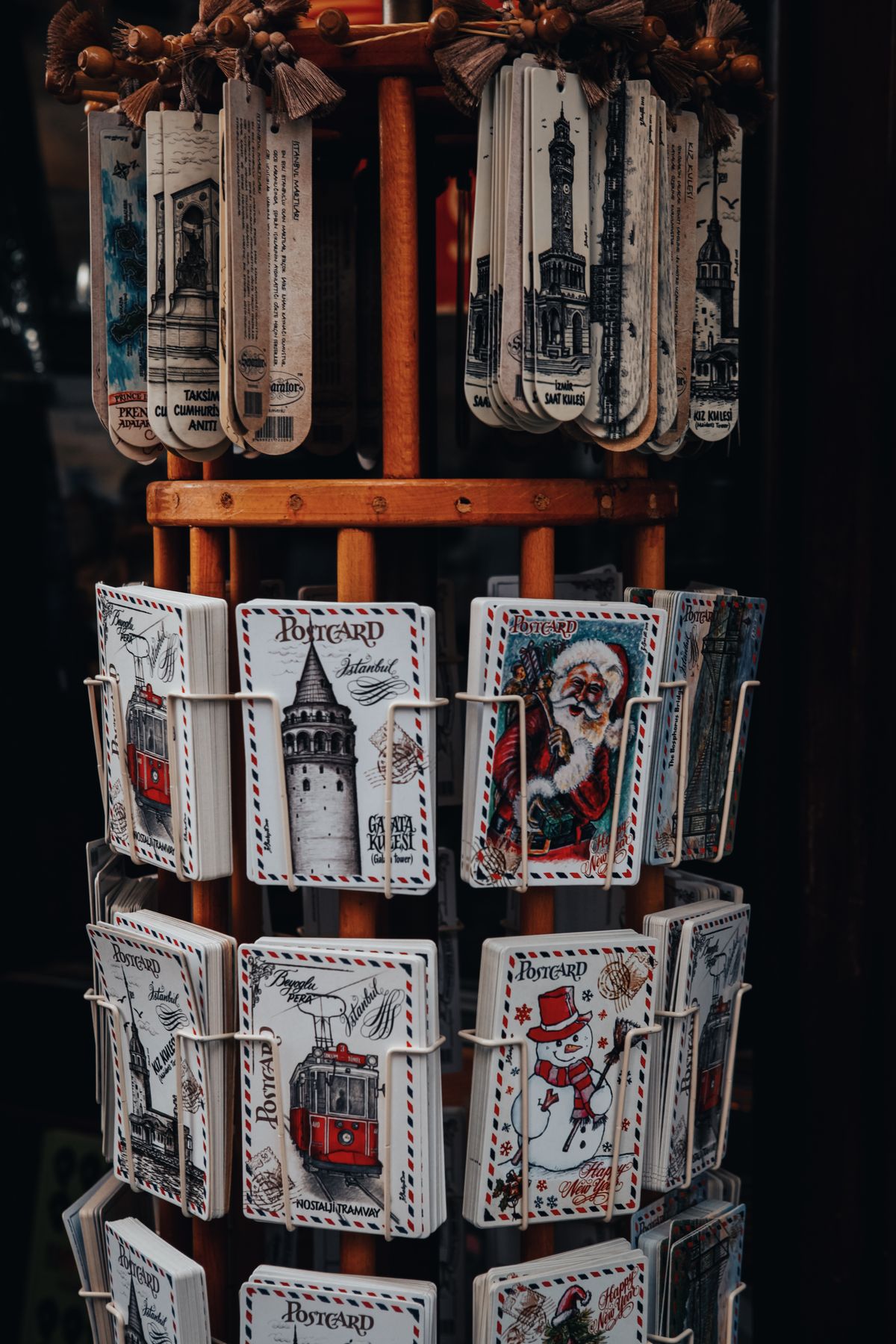
That is why the postcard from the café you loved can mean more than a giant ornament from a shop you barely remember. The best souvenir has a story attached. The worst has a price sticker that refuses to come off.
There is also the deadline. A shop that seemed unremarkable on Monday becomes a treasure vault when your flight is tomorrow. Suddenly, every item looks like the last chance to prove you went somewhere. Breathe. Your photos and memories are allowed through customs too.
Which souvenir shopper are you?
The magnet diplomat
Brings home one for every relative. Eventually requires a second fridge, which is technically the most expensive souvenir of all.
The last-day sprinter
Has bought nothing all week, then attempts to solve every birthday and Christmas present before the airport transfer arrives.
The fragile optimist
Chooses handmade pottery and announces that a single layer of socks should offer “plenty of protection”.
None of these people is wrong. The trick is knowing your habits before the person at the stall announces that the object is “very special” and your brain starts rearranging the living room for it.
What is actually worth bringing home?
Think small, specific and usable. A print by a local artist, a recipe card from a cooking class, a woven item you can use, or a notebook from a shop you genuinely enjoyed gives the memory somewhere to live in your everyday life.
- Something made locally, with a maker or place you can remember.
- Small practical items that will actually be used at home.
- A postcard with the date and one real memory written on the back.
- A modest gift that suits the person receiving it.
- Anything too large for the luggage space you have left.
- Anything breakable that needs a speech about how it might survive.
- Mass-produced objects that could have come from anywhere.
- A “bargain” you would not want at full price.
Food can be a lovely reminder too, provided it is packaged, permitted on your route and will travel safely. Check the rules for your destination and home country before you buy; some foods, plants and animal products cannot be brought across borders. A customs seizure is a fairly poor ending for a holiday romance with cheese.
Enjoy the browse without turning it into a mission
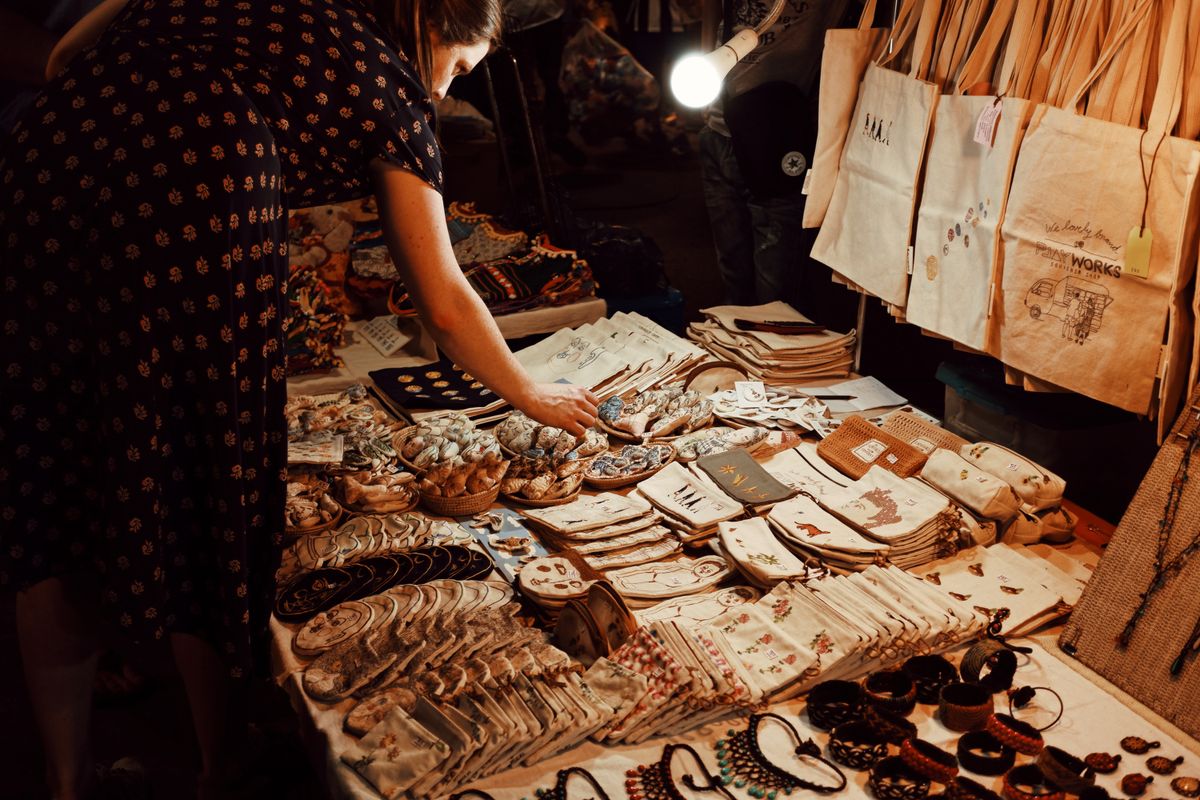
A market is often best when you slow down. Walk the whole stretch once, note the things that catch your eye, and return only if they still do. You may discover a craft workshop around the corner, or realise that six near-identical stalls are selling the same item.
If a price is negotiable, be friendly and respectful. You are looking for a fair exchange, not a victory story to recount at breakfast. When prices are clearly fixed, treat them as fixed. The vendor has already heard every variation of “What about for my very charming family?”
The nicest souvenir might be free
Write down the name of the little restaurant you found by accident. Keep a paper ticket if you can do so without losing a booking reference. Take a photograph of the view from the bench where you finally sat still. Those details tend to age better than a novelty bottle opener shaped like a landmark.
How do you get your treasure home intact?
Before paying, check the weight and shape of the item against your remaining luggage allowance. Ask for protective packaging where available. Wrap fragile purchases in soft clothing and place them in the centre of a checked bag, away from the corners and hard objects. Keep valuables and essential documents with you, subject to your airline’s cabin rules.
Liquids, sharp items and bulky purchases need extra thought, especially if you are travelling with cabin luggage only. Airline and security rules vary by journey; check your carrier’s current guidance before the airport rather than learning it from a queue of sympathetic strangers.
The ten-second packing check
- Will I use it, display it or genuinely enjoy giving it away?
- Does it fit without crushing anything important?
- Can I carry it through every part of my journey?
- Do the border and airline rules allow it?
- Will I still like it when the holiday lighting wears off?
If the answer to three of those is “probably”, put it back for now. You can always return after lunch. A surprising number of purchases lose their magic after a sandwich.
The five-minute souvenir test
Before you buy, walk away for five minutes. Imagine the object in your house, not in the shop. Picture where it goes, how you will use it, and whether you can tell its story without saying, “Well, it was only twelve euros.” If you still want it, go back and enjoy the purchase without guilt.
Bring home fewer things with better stories. A little object that makes you smile on a grey Tuesday is doing its job. A cupboard full of panic purchases is simply a second luggage carousel, and nobody wants one of those in the kitchen.
One final thought before the airport gift shop
Your holiday does not need physical evidence to count. Buy the postcard, the local artwork or the excellent little thing you love. Leave the giant ceramic dolphin for someone with a larger suitcase and a stronger shelving unit.




