
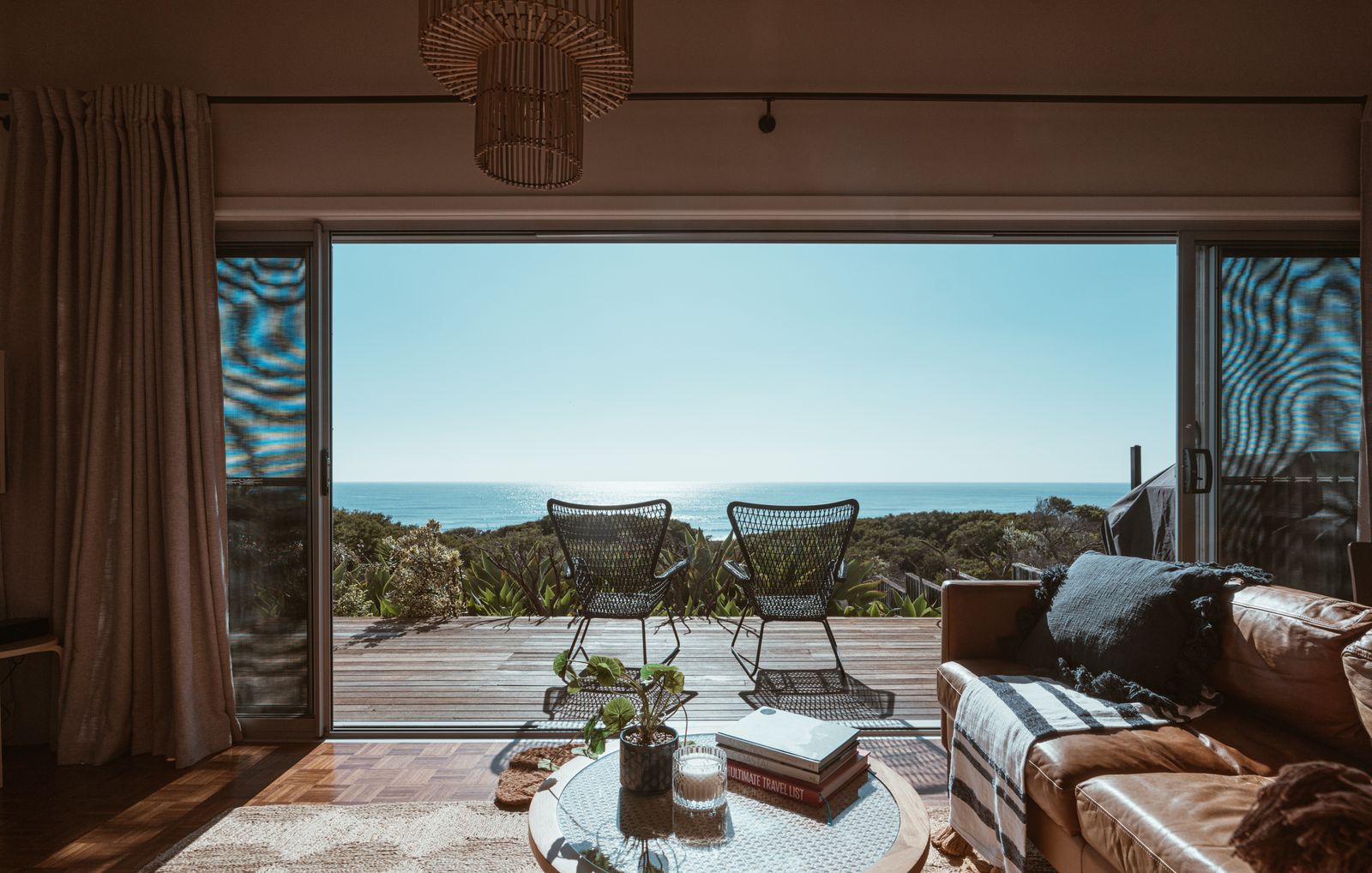
The Holiday Apartment That Looks Too Good
That sea view might be real. Here is how to check the listing before your money goes on holiday without you.
We have all seen the one. Two bedrooms, a balcony over the sea, a pool that looks like it belongs in a film, and a price that somehow costs less than a Tuesday night in a Premier Inn. Your finger is already hovering over Book.
I love a good holiday bargain. But I would rather spend five minutes checking an apartment than spend the first day abroad trying to find one that actually exists. Here is the sensible check I would make before committing, without turning holiday planning into a detective drama.
Lovely pictures are a starting point, not proof
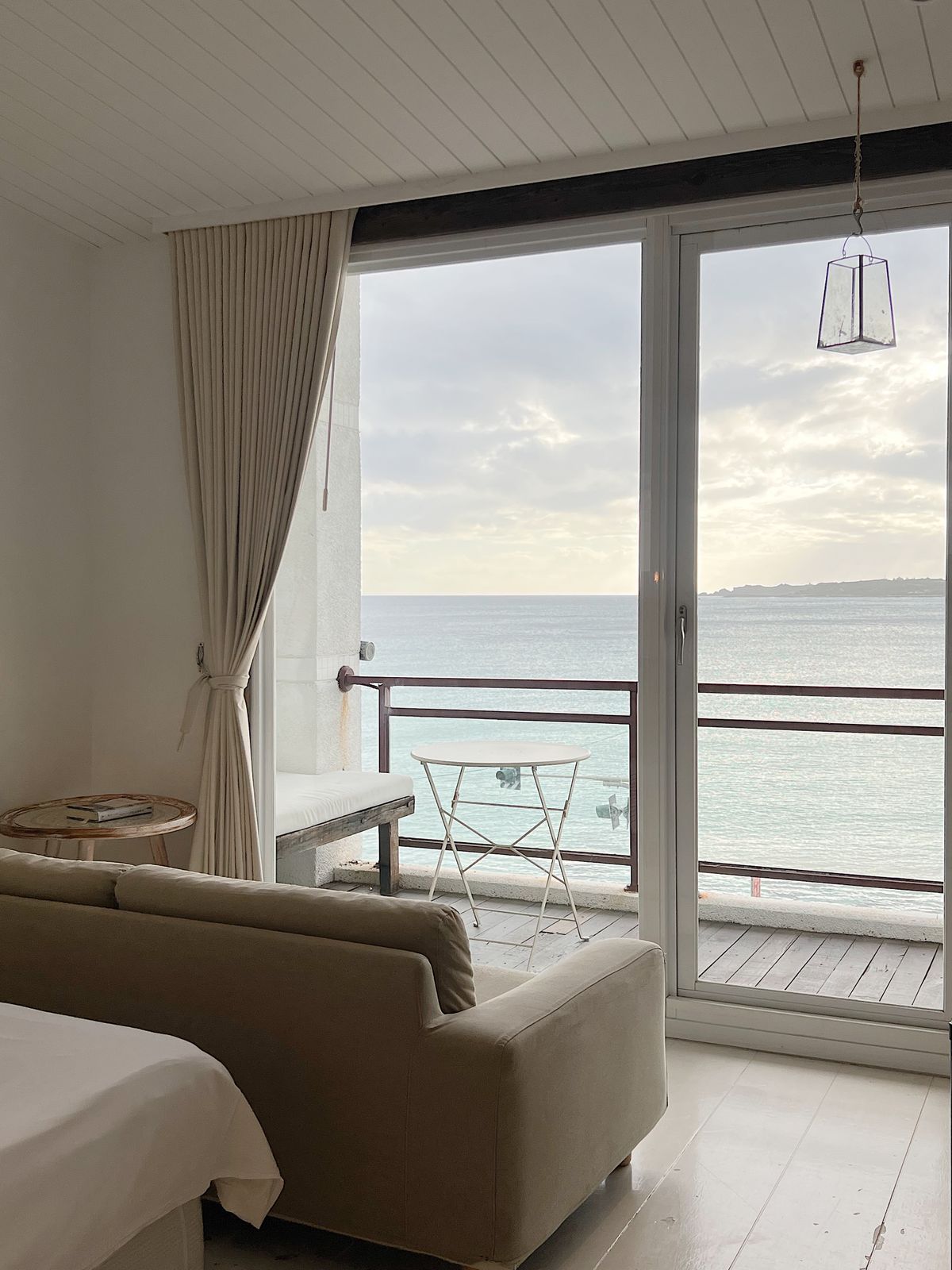
A sunny balcony can make almost anything seem possible, including fitting five people around a table built for two. Look carefully at the complete gallery. Do the bedrooms, bathroom, kitchen and outside view appear to belong to the same place? Are the descriptions specific about beds, stairs, air conditioning and parking?
Check recent reviews for details people could only know after staying there: how the keys were collected, noise at night, the distance to the beach and whether the host solved a problem. A new listing is not automatically suspicious, but it leaves you with less independent information, so take extra care.
If photos or wording look familiar, search them separately. A stolen photograph can turn a non-existent rental into a very convincing advert. Keep in mind that a reverse image search is a clue, not a final verdict: genuine properties may also appear on several websites.
What does “minutes from the beach” actually mean?
Ask for a reasonably precise area before you pay, then check the walking route on a map. “Five minutes to the sea” could mean a five minute drive, a steep hill or a lovely view of a road between you and the sand. Look for nearby shops, transport and the route you will take with luggage.
Do not expect every host to publish a full home address before booking. You can still ask about the neighbourhood, floor, lift and check-in arrangements. If the location keeps changing each time you ask, slow down.
The moment the payment moves elsewhere, pause
If you found the apartment on a booking platform, use its official website or app for the booking and payment process. Be wary of a message asking you to move to a private chat, use a different link or send money directly to a bank account. Even a message appearing within a genuine booking account can be suspicious if someone has gained access to it.
A new link
Open the service yourself through its official app or typed web address. Do not pay through a link that arrives unexpectedly.
A transfer request
Report Fraud advises extra caution with bank transfers or cash. Card payments can offer more ways to challenge a problem.
Artificial urgency
“Pay in ten minutes or lose it” is a reason to stop and verify the request through an independently found contact route.
Do not treat a padlock symbol alone as proof that a website is genuine. It shows the connection is encrypted; a fake site can use encryption too. Check the exact web address and the company independently. Report Fraud’s holiday fraud advice warns about fake adverts and unusually cheap offers.
Read past the nightly rate
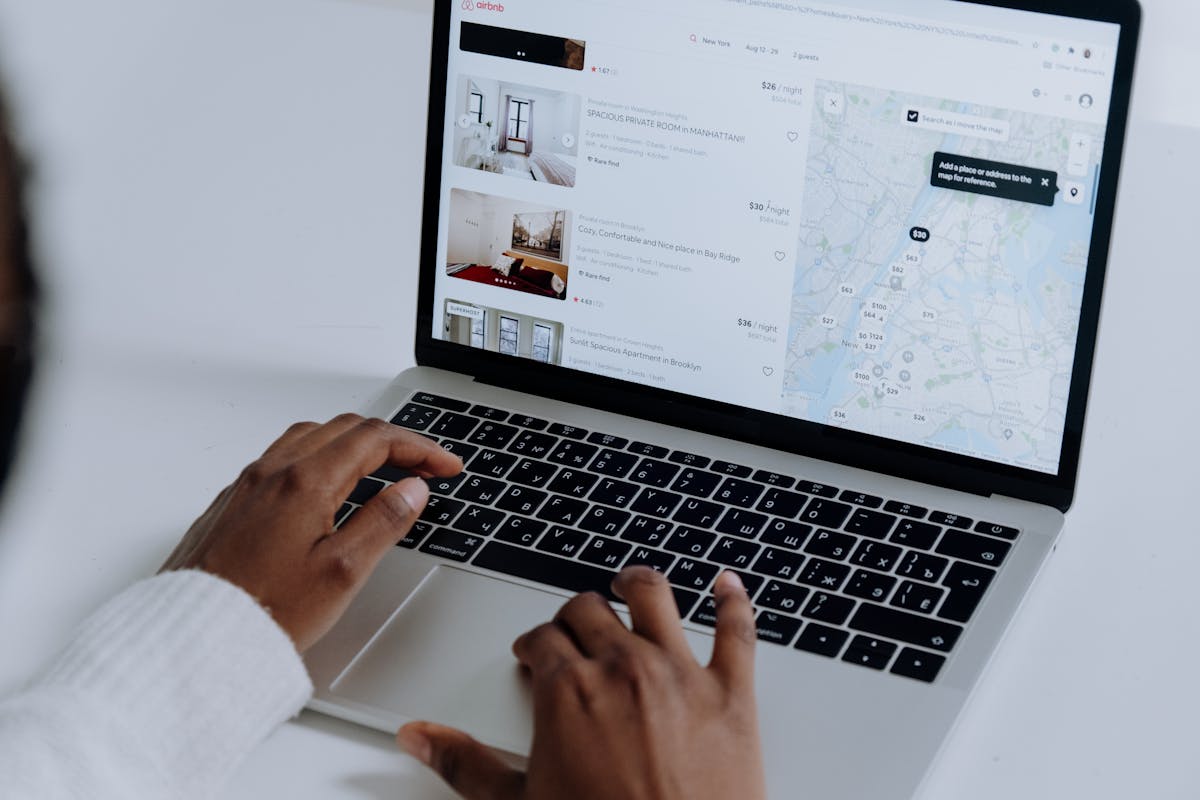
I want to know the full bill before I start picturing breakfast on that balcony. Check cleaning charges, local taxes, damage deposits, service fees and extra-person charges. Look at the cancellation policy for your exact dates and whether the host or platform can change the booking.
My two-minute booking check
- Are the dates, number of guests and bed arrangements correct?
- What is the total price, including compulsory charges?
- When is payment due and where will it be collected?
- How does check-in work if the flight arrives late?
- What does the cancellation policy actually refund?
- Who do I contact if the property is unavailable on arrival?
Take a screenshot of the listing and key terms at the time you book. It is much easier to resolve a mismatch when you can show what was promised. If the accommodation is part of a package holiday, separate protections may apply; check which kind of booking you have made rather than assuming every rental has the same cover.
Booked it? Save the boring bits now
Keep the confirmation, payment receipt, address, check-in instructions and host messages together. Check the booking inside the official app or website. Closer to departure, confirm arrival arrangements using the contact method listed there. For a late arrival, ask in advance how you will get the keys.
If you receive a fresh payment demand, do not rush because it mentions your real booking dates. Contact the platform or accommodation through a contact route you found yourself, not a number inside the unexpected message. ABTA warns that holiday booking fraud can involve fake accommodation and impersonation. Read ABTA’s booking fraud guidance.
What if you think the booking is fake?
Stop sending money and keep copies of the advert, messages, account details, receipts and screenshots. Contact your bank or card provider immediately using its official number or app, explain what happened and ask about your options. Tell the genuine booking platform as well if its name or account was used.
For UK readers, report suspected fraud through Report Fraud, or follow the reporting route for your part of the UK. If you have arrived and have nowhere safe to stay, deal with your immediate accommodation and safety first, then document the problem while it is fresh.
Payment protections and cancellation rights vary by booking, payment method and location. Ask your provider about your specific transaction.
Book the place, not just the photograph
A great apartment can make a holiday. I just want the keys, the address and the sea view to belong to the same apartment. A few calm checks now leave more time for the important work later: deciding who gets the balcony chair.




