

Your Child Gets Ill on Holiday: What Do You Actually Do?
Doctors, pharmacies, dehydration, heat, insurance, GHICs and getting home — the practical information parents hope they never need abroad.
A calm, practical family guide for the moment the swimming pool suddenly becomes the least important thing on holiday.
Children have an impressive ability to be perfectly healthy for months, board an aeroplane, arrive somewhere beautiful — and announce at 11:43pm that they feel sick.
Suddenly the breakfast buffet, boat trip and carefully planned family day become irrelevant. You're somewhere unfamiliar, perhaps you don't speak the language, and the question becomes much simpler: where do we get help?
The useful part is having a plan before you need one.
1. Do the boring preparation while everybody is well
Travel-health preparation isn't exciting. Neither is searching through emails for an insurance policy number while a poorly child is asleep beside you and your phone battery is on 8%.
Before travelling, save the important information offline: your insurer's emergency-assistance number, policy details, accommodation address and destination emergency number. Check current official health and travel advice for the country you're visiting.
Save the policy number and assistance number on more than one phone.
Take the physical card where applicable, but don't confuse it with travel insurance.
Pack enough and check the rules for taking medicines into your destination.
Save the local emergency number and full address of your accommodation.
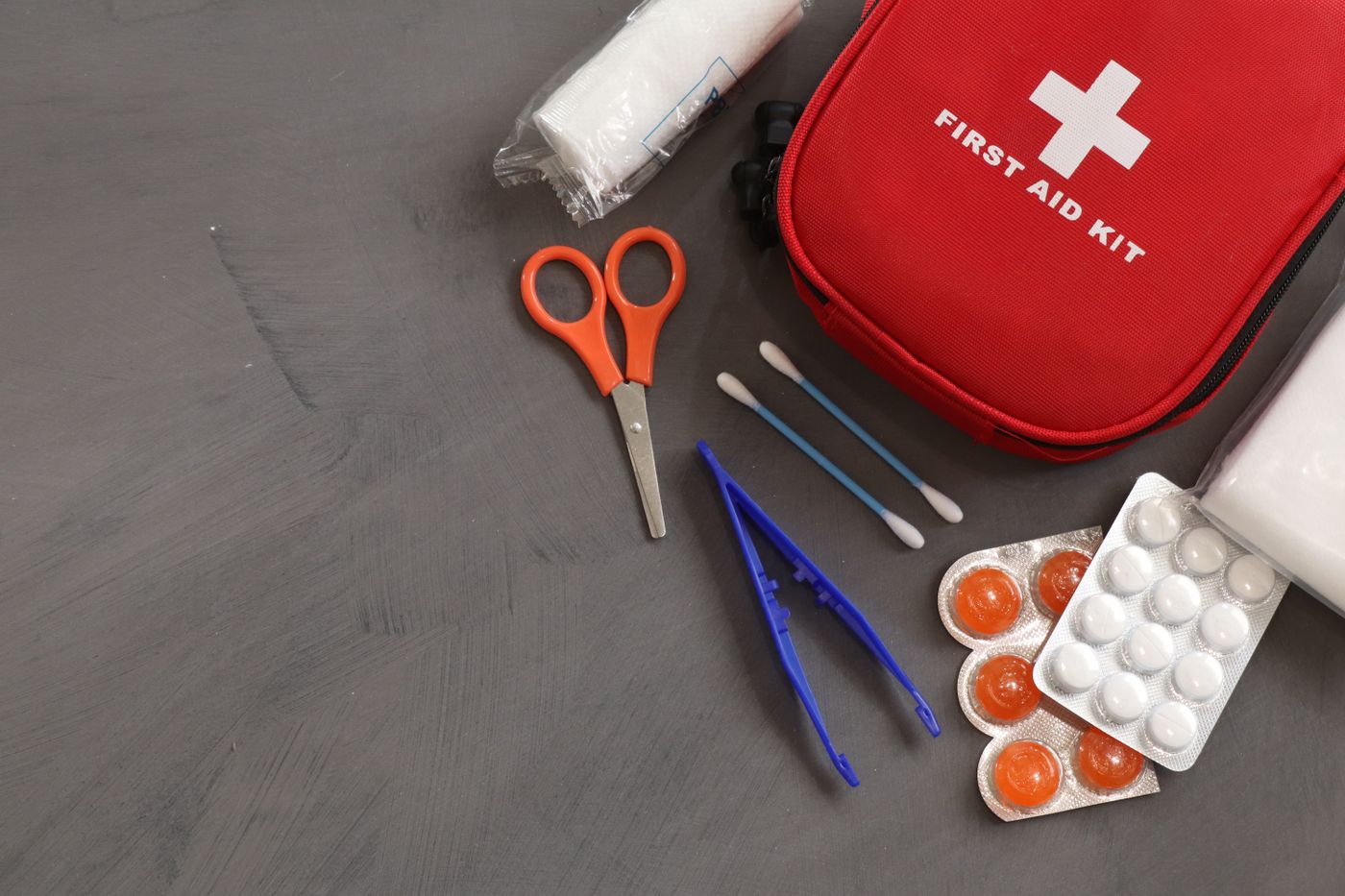
The useful-before-you-leave list
- Insurance policy number
- 24-hour assistance number
- GHIC/EHIC if applicable
- Regular medicine details
- Allergy information
- Destination emergency number
- Accommodation address
- Copies of useful documents
2. “Mum... I don't feel very well”
This is the point where the holiday timetable stops mattering. Don't feel obliged to drag an unwell child through an attraction simply because the tickets were expensive.
Pay attention to how your child is behaving as well as individual symptoms. If you're worried, seek appropriate professional medical advice locally. Your insurer's assistance service may also be able to help you find appropriate non-emergency care.

3. The foreign pharmacy can suddenly become your favourite landmark
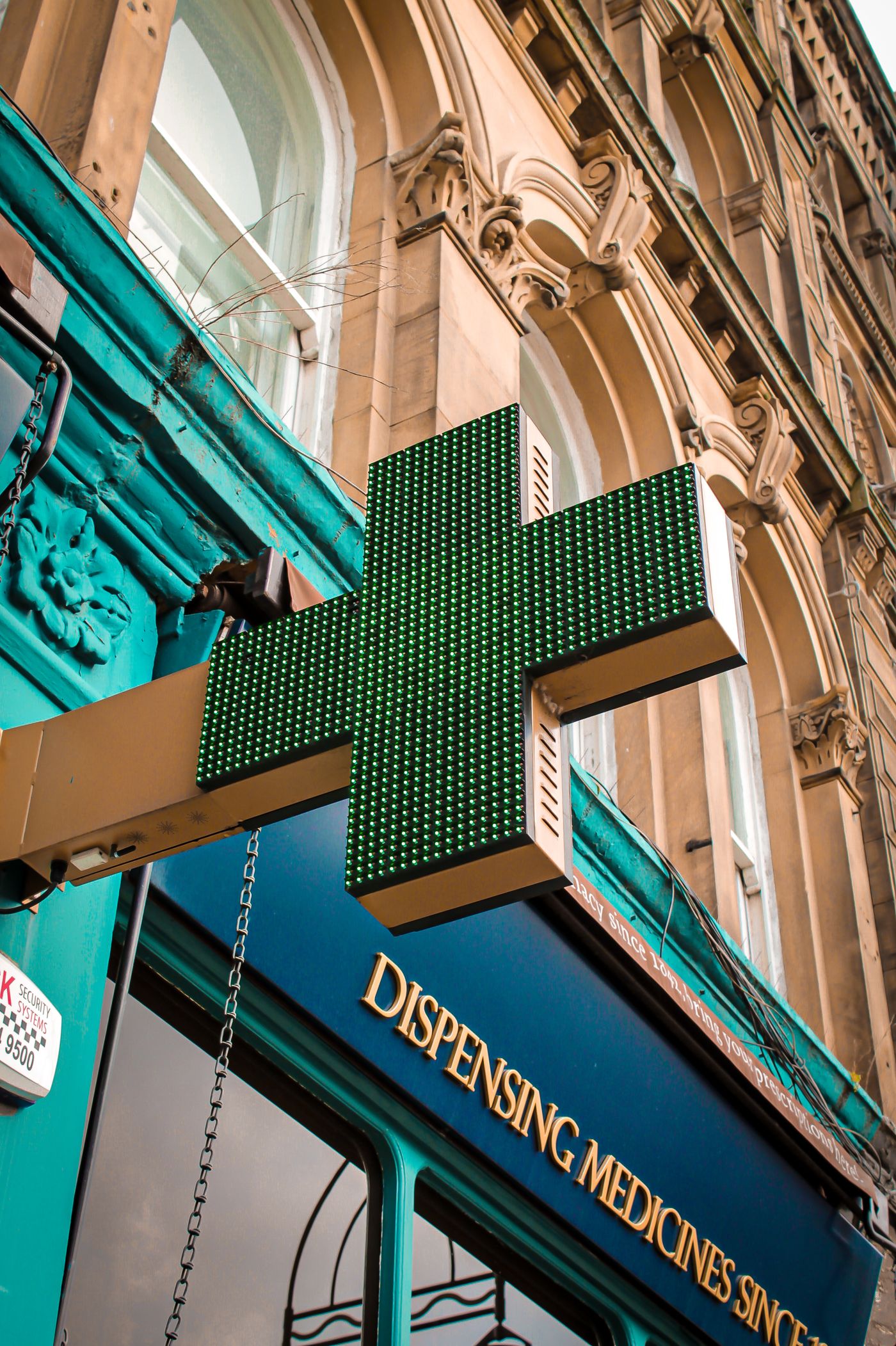
For non-emergency problems, a local pharmacist may be a useful source of professional advice. Explain the child's age, symptoms, allergies and medicines already taken.
Don't assume familiar-looking packaging means a medicine has exactly the same ingredients or strength as a UK product. Read the supplied information and ask the pharmacist when you're uncertain.
4. The swimming-pool stomach bug nobody ordered
Vomiting and diarrhoea are miserable at home. They feel considerably worse in the hotel room you've been looking forward to for six months.
NHS guidance emphasises replacing fluids to reduce dehydration risk. If a child feels sick, small frequent sips may be easier, and a pharmacist can advise about oral rehydration solutions suitable for children.
5. Holiday heat isn't messing around
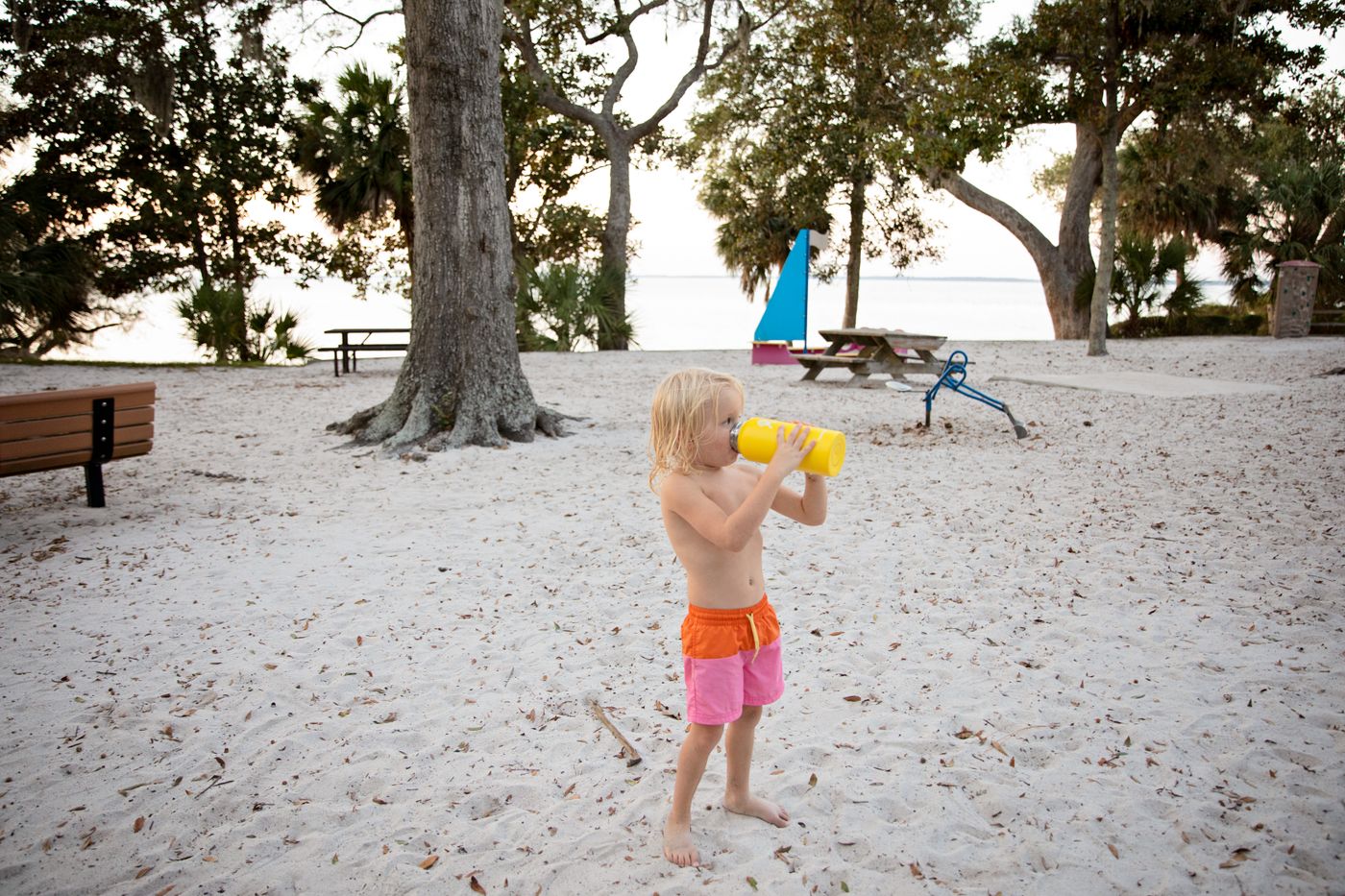
Children can become dehydrated more easily when they're sweating, vomiting or have diarrhoea. Warning signs can include darker urine or fewer wet nappies, fewer tears, unusual tiredness, fast breathing or a fast heart rate.
Heat exhaustion can include tiredness, dizziness, headache, nausea, heavy sweating, thirst and weakness. Move the child somewhere cool and seek appropriate medical help if you're concerned. Heatstroke is a medical emergency.
6. The moment travel insurance becomes fascinating
Travel insurance is one of those purchases nobody wants to use. If medical treatment is needed, however, knowing who to call can suddenly become extremely important.
Contact the insurer as soon as practical, particularly if treatment or hospital care may be required. Keep receipts, medical reports and doctors' notes. Depending on where you are and the circumstances, you may still be asked to pay for treatment upfront.
Use the number supplied with your own policy rather than guessing what the insurer will cover.
Receipts and medical documentation that seem unimportant today may matter during a claim.
Where applicable, it can help with eligible state healthcare but does not replace suitable insurance.
Check your own policy and insurer's instructions.
7. If your child needs a doctor or hospital
For an emergency, contact the destination's emergency services. For non-emergency treatment, your insurer may be able to direct you towards appropriate care.
If language is a barrier during an important medical conversation, ask whether interpretation is available. Don't rely on guessing when decisions about treatment are being made.
8. What happens if your child isn't fit to fly home?
Speak to the treating medical professional, insurer and airline. Depending on the illness and journey, medical confirmation or alternative arrangements may be required.
If medical repatriation is necessary and covered by the policy, this is something to coordinate with the insurer rather than attempting to organise independently.

The family holiday health checklist
Before the suitcase closes
- Travel insurance arranged
- Relevant conditions declared
- GHIC/EHIC checked if applicable
- Destination health advice read
- Regular medicines packed
- Medicine travel rules checked
- Insurer number saved
- Local emergency number saved
- Accommodation saved offline
- Small travel-health kit packed
- Policy shared with another adult
- Phone charger packed
Questions parents often ask
Should I call my insurer before finding a doctor?
In an emergency, get urgent medical help first. For non-emergency care, contacting your insurer early can help clarify your cover and treatment arrangements.
Does a GHIC mean we don't need travel insurance?
No. GHIC/EHIC does not replace suitable travel insurance and does not cover every healthcare or travel-related cost.
What should I keep after treatment?
Keep receipts, doctors' notes, medical reports and other relevant paperwork for your records and insurer.
What if my child can't take the booked flight home?
Speak to the treating medical professional, your insurer and the airline. The appropriate next step depends on the child's condition, airline requirements and your insurance cover.
The best emergency plan is the one you prepared before the emergency
Nobody wants a family holiday to involve a pharmacy, clinic or hospital. But knowing your insurance details, recognising when to seek professional help and understanding how to access local healthcare can turn panic into a plan. Then, hopefully, the biggest crisis for the rest of the trip is somebody dropping an ice cream.
Medical disclaimer: HolidayIn4U provides general travel information, not medical diagnosis or individual treatment advice. Health needs differ by child and destination. Seek qualified medical help when needed and use local emergency services for an emergency abroad. Guidance and healthcare arrangements can change, so check current official information before travelling.




