
The Great Beach Holiday Guide: Sand, Sea & the Stuff Nobody Tells You
From finding the right beach to decoding waves, sand, shade, snorkelling, family logistics and the mysterious ability of sand to reach places no sand should ever reach.
A beach is never just “a beach”. Choose the wrong one and your relaxing day becomes a sponsored walk carrying inflatables.
On a hotel website, every beach appears to involve turquoise water, three strategically positioned palm trees and nobody else within half a mile. Real beaches are more complicated — and far more interesting.
Some are built for toddlers and paddling. Some are surf beaches disguised as postcard paradise. Some have soft sand and cafés every 30 metres. Others require shoes, water, a steep walk and the acceptance that lunch is whatever survived inside your backpack.
First Decide What You Want the Beach to Do
“Beautiful” is not a useful enough search filter.
Sand Has a Personality Too
Your feet will notice before your camera does.

Fine pale sand is the classic holiday image, but beaches can be golden, volcanic black, coral-white, pebbly, shelly or a mixture. Each changes the experience. Fine dry sand is excellent for castles and less excellent when the wind introduces it to your lunch. Pebbles can mean clearer-looking water because less sediment is stirred up, but beach shoes suddenly become a very sensible purchase.
Comfortable for lounging and children, but it travels enthusiastically into bags, towels, shoes and apparently your suitcase two weeks later.
Can make the water look beautifully clear, but check footwear and whether getting into the sea is comfortable.
Striking and dramatic. Dark surfaces can become extremely hot in strong sun, so footwear matters.
Beautiful marine environments require extra care. Avoid standing on coral and follow local conservation rules.
Learn to Read the Sea Before You Enter It
A calm-looking photograph cannot tell you today's conditions.
Wind, swell, currents, tides and local geography can transform the same beach from placid to powerful. Check local warning signs and flag systems every time you arrive. Lifeguarded swimming areas are particularly useful for families, but supervision remains essential.
Learn the local beach flag system and obey closures. Meanings can vary between countries, so read the signs rather than assuming.
These are channels of water moving away from shore. Follow local safety advice and lifeguard instructions rather than trying to judge unfamiliar water yourself.
A huge beach at lunchtime may become a much smaller beach later. This matters especially around rocks, caves, coves and tidal access paths.
Wind changes waves, comfort and inflatable safety. Offshore winds are an especially good reason to keep inflatables out of open water.
A Beach Day With Children Is a Small Logistics Company
Its assets include snacks, hats, buckets and one missing flip-flop.
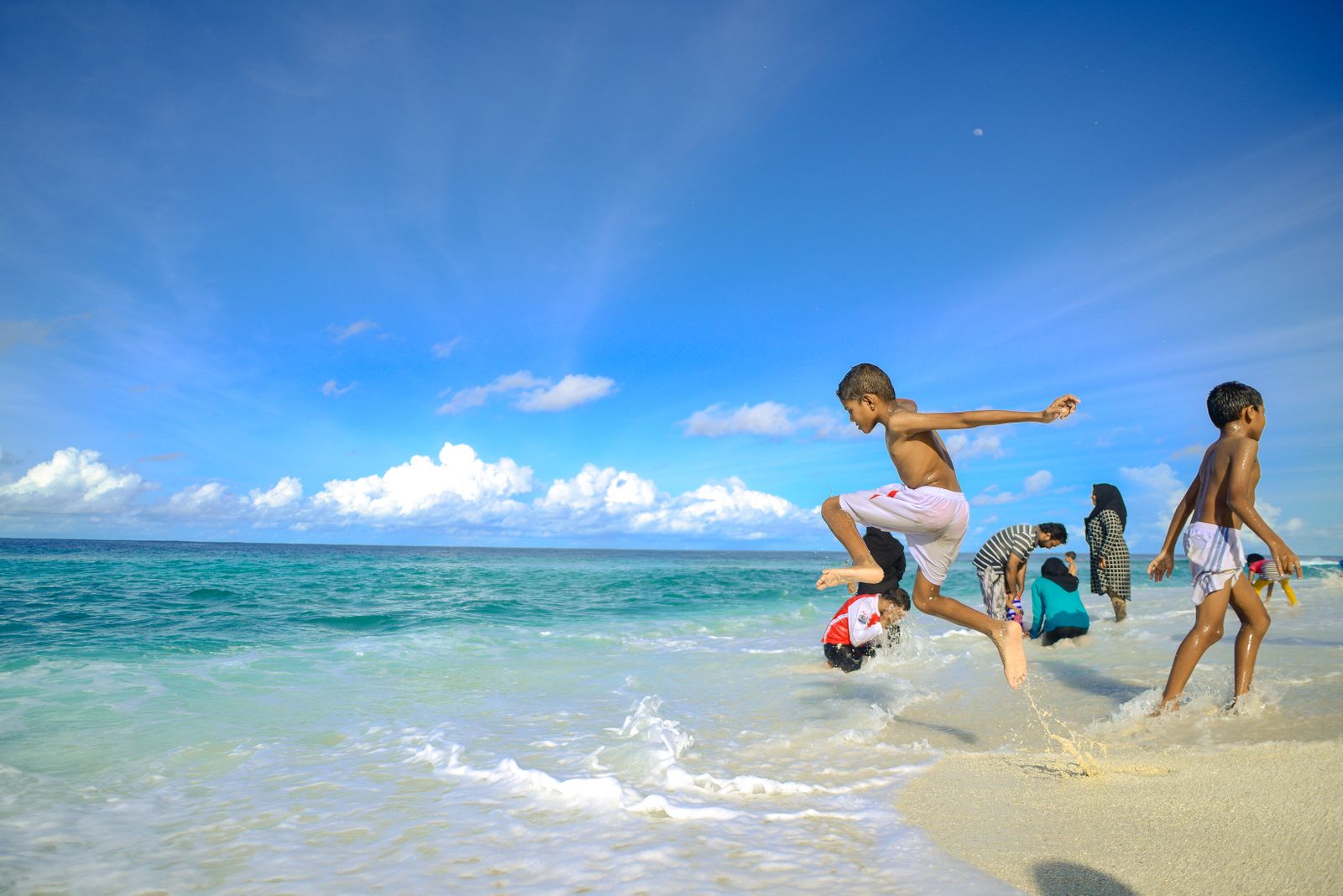
For younger children, practical details beat Instagram fame. Look for gently shelving entry, appropriate water conditions, shade, toilets, somewhere to buy drinking water and a manageable walk from your accommodation or parking.
Which Kind of Beach World Suits You?
Mediterranean ease, Atlantic drama or tropical escape?
Spain & the Balearics
Excellent for travellers who value established resorts, promenades, restaurants and a broad choice of sandy shores. From the Costas to Majorca and Menorca, the practical infrastructure can be a major part of the appeal.
Greece & its islands
Expect enormous variety: sandy family bays, pebbled coves, turquoise water, dramatic cliffs and beaches where a taverna lunch becomes half the reason you went.
Portugal
The Algarve combines beaches with spectacular rock formations, while Portugal's Atlantic exposure also makes wave and wind conditions particularly important to check.
Maldives
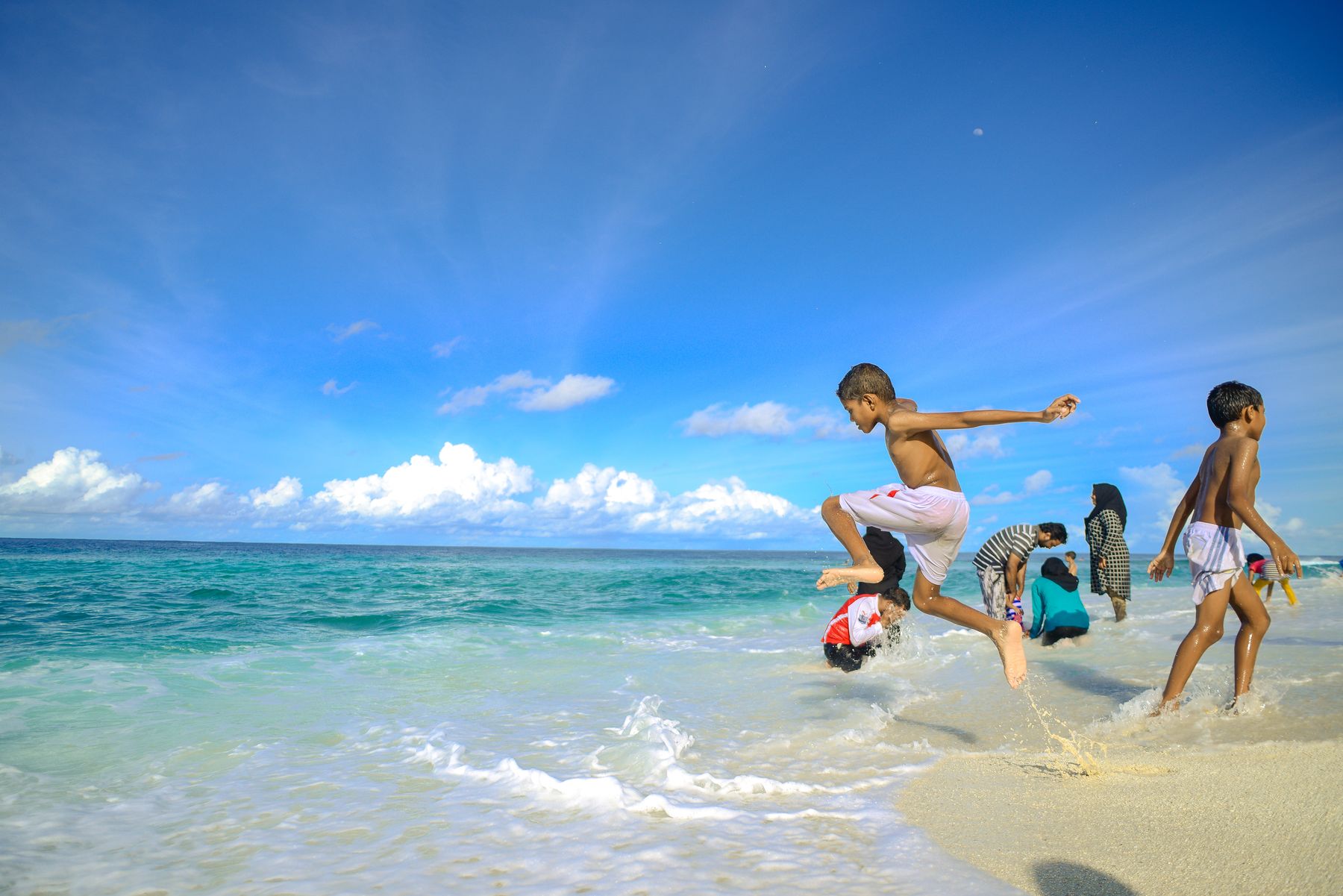
White sand, lagoons and marine life create the classic tropical image. Island and resort choice matters because your immediate beach environment becomes a large part of the holiday.
Caribbean
The region offers everything from calm turquoise bays to surf-facing Atlantic shores. Conditions, seasons and the character of individual islands vary considerably.
Thailand
Tropical beaches can combine swimming, island trips, snorkelling and food culture, but weather patterns vary by coast and season — check the specific destination rather than “Thailand” generally.
Snorkelling Can Turn a Beach Day Into an Expedition
Suddenly everybody is staring at the same patch of water for 45 minutes.

Good snorkelling is about more than clear blue water. You need appropriate conditions, safe entry and exit, suitable visibility and a location where marine life is actually present. Ask locally about designated snorkelling areas and hazards.
The Sun Is Part of the Holiday — Not a Competition
There is no medal for becoming the colour of a hotel fire extinguisher.
Beach environments can increase sun exposure because there may be little natural shade, while water and pale surfaces reflect light. Plan around local UV conditions, use suitable sun protection, reapply sunscreen as directed, seek shade and keep drinking water available. Children need particular care.
Often cooler, quieter and easier for families. You can enjoy several hours before the hottest part of the day.
A superb second shift: softer light, cooling temperatures and the possibility of staying for sunset.
Pack for the Beach You Are Actually Visiting
Not every beach has a shop selling the thing you forgot.
That Seafront Table Is Part of the Experience
But check the menu before the children order six things with umbrellas in them.
Beach food ranges from a picnic and supermarket fruit to seafood tavernas, chiringuitos and full resort restaurants. Before committing to a remote beach, check whether food and drinking water are available. In busy resorts, compare menus a street or two back from the waterfront if budget matters.
How to Find a Quieter Beach Without Needing a Boat and a Treasure Map
Sometimes 20 minutes changes everything.
Arrive earlier, explore beyond the main resort entrance, look at neighbouring coves and investigate beaches served by local buses or walking routes. Popular beaches are popular for a reason — often facilities and easy access — so decide how much convenience you are willing to trade for space.
One of the simplest ways to enjoy famous beaches before the busiest part of the day.
The section closest to parking and restaurants is often busiest. A short walk can change the atmosphere considerably.
Where weather allows, late spring or early autumn can produce a different beach experience from peak school-holiday weeks.
Hotel staff, hosts and local businesses may know which nearby shore suits families, snorkellers or people looking for quieter water.
Leave the Beach Looking Like You Were Never There
Except perhaps for an unnecessarily ambitious sandcastle.
Take rubbish away, use bins where provided, avoid disturbing dunes and nesting areas, follow restrictions around wildlife and protected habitats, and do not remove shells, coral or natural material where rules prohibit it. Local guidance matters because conservation needs differ by beach.
Before You Commit to a Beach Day, Check These
A tiny bit of research prevents a heroic amount of complaining.
The Best Beach Is the One That Fits Your Holiday
The postcard beach is not always the practical beach. A family may value shallow water and toilets. A couple may want a hidden cove. A snorkeller wants marine life. A surfer wants the waves everyone else is trying to avoid.
Choose for the experience first and the photograph second. Check the conditions when you arrive, respect the water and local environment, then get on with the serious business of deciding whether it is too early for an ice cream.




