
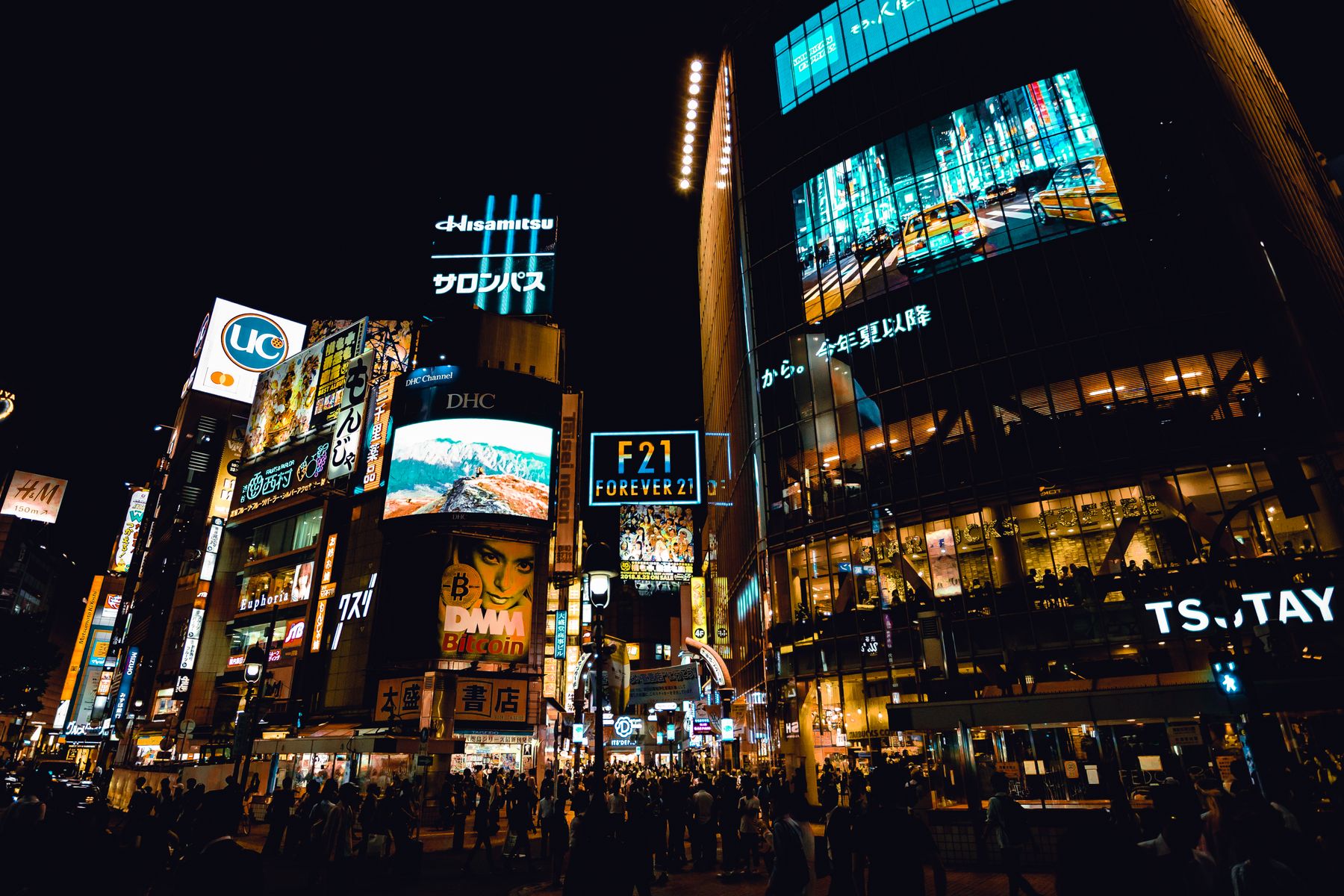
Japan: The Holiday Where Everything Feels 20 Years in the Future and 500 Years in the Past
Neon cities, quiet shrines, bullet trains, Mount Fuji, extraordinary food and convenience stores you may become emotionally attached to.
Prepare to spend the first 48 hours saying, “Why don't we have this at home?”
You land in Japan. Within a few hours you've encountered a toilet with more controls than your television, bought something excellent from a convenience store and watched a railway system move an astonishing number of people around enormous cities.
Then you turn a corner and find a shrine, garden or old street that seems to belong to another century.
Tokyo: Where Do You Even Look First?
One enormous city. Approximately nine million things competing for your attention.
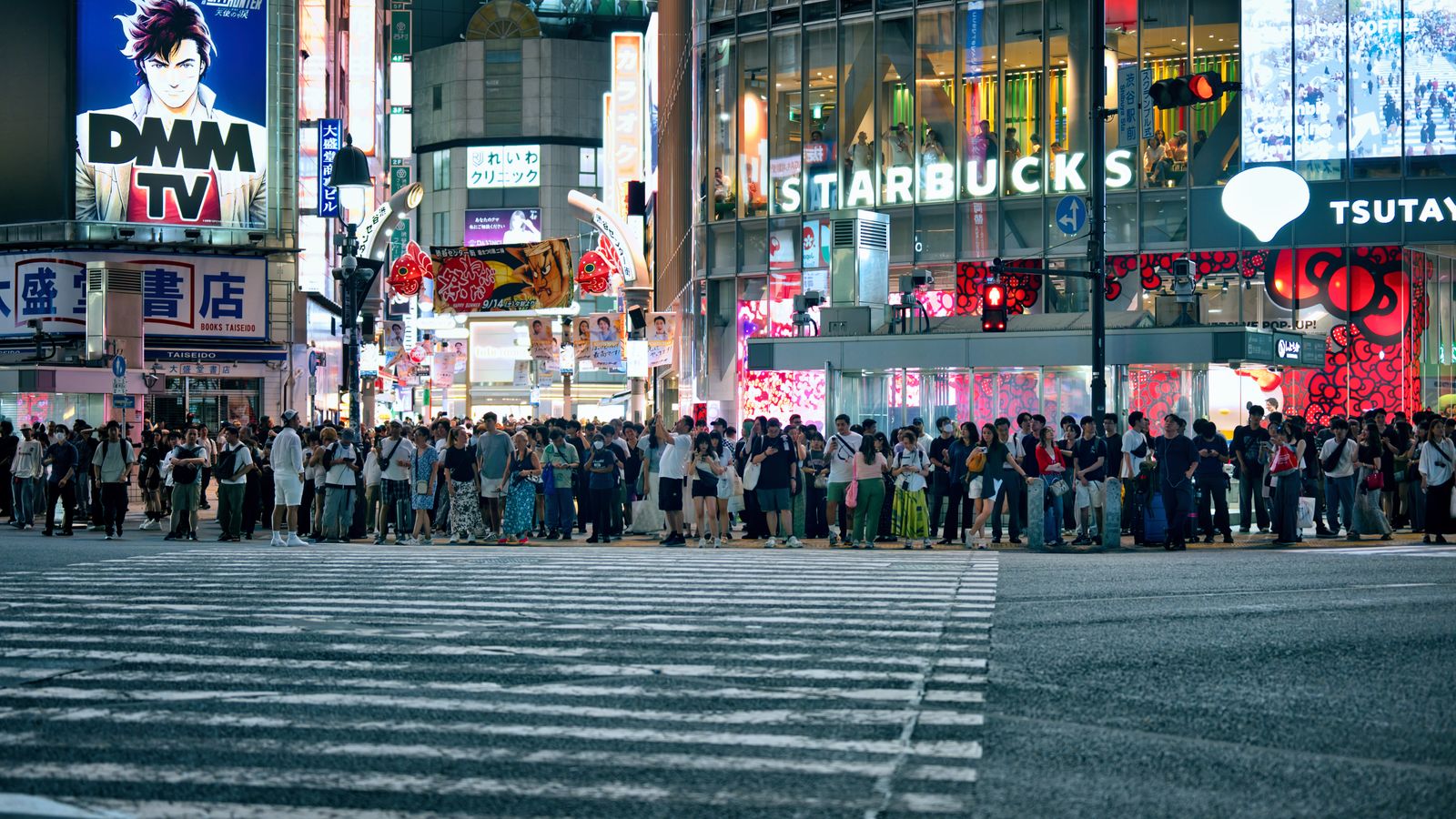
Shibuya after dark: Tokyo is not especially interested in easing you in gently.
Tokyo can feel overwhelming for about fifteen minutes. Then the apparent chaos begins revealing a system underneath it. Railway signs become less frightening, neighbourhoods develop distinct personalities and you start understanding why trying to “do Tokyo” in two days is ambitious.
The Tokyo Survival Meter
Kyoto: Japan Suddenly Changes the Channel
Shrines, temples and traditional streets replace Tokyo's wall of screens.
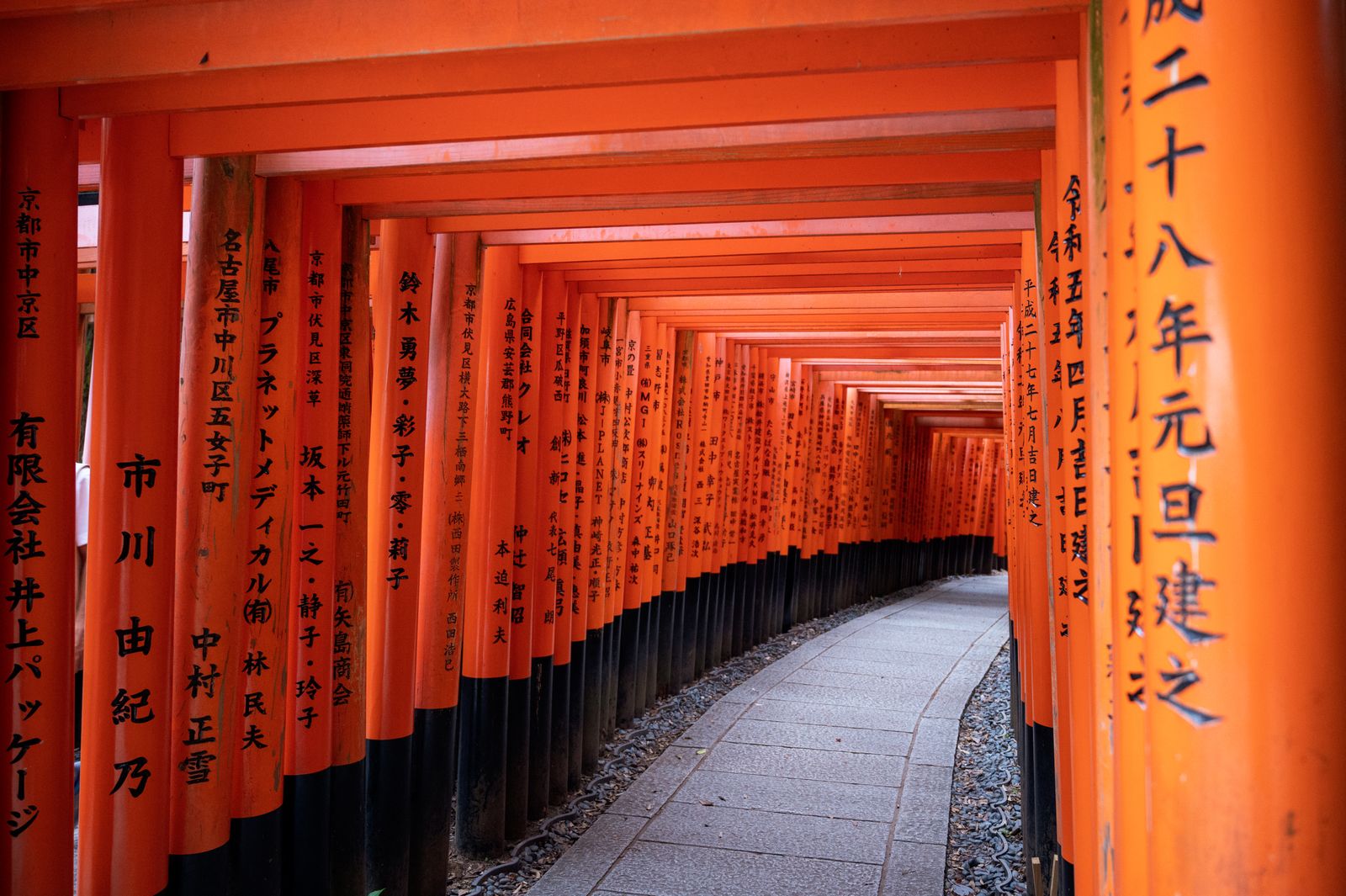
Fushimi Inari's famous torii gates create one of Kyoto's most recognisable walks.
Kyoto provides the contrast that makes a first Japan trip so memorable. Fushimi Inari's torii gates, historic districts, gardens and temples show a very different side of the country.
Popular landmarks can become extremely busy, so early starts can be worthwhile. Remember that shrines and temples are active cultural and religious places rather than elaborate photography sets.
Mount Fuji: “IS THAT IT? WHERE?”
Possibly the only mountain capable of causing an entire train carriage to reach for a phone.
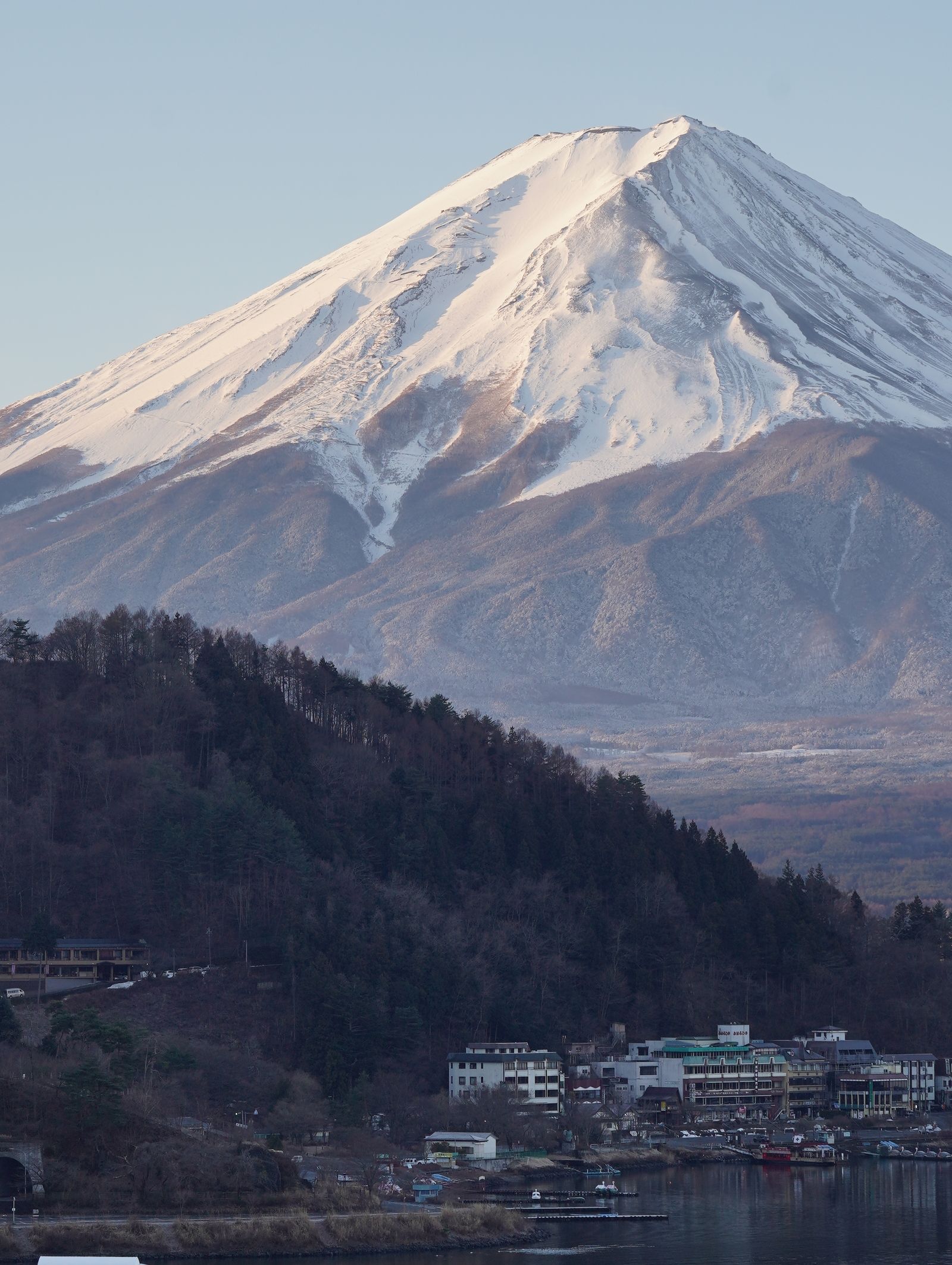
Mount Fuji above Lake Kawaguchiko — when the weather decides to cooperate.
The Fuji Five Lakes area is one of the classic places from which to experience the mountain. But Fuji does not sign a contractual agreement to appear simply because you've travelled thousands of miles. Cloud can obscure it, so treat a clear view as part planning and part good fortune.
Osaka: You Came to Sightsee. Osaka Would Like You to Eat Instead.
Dotonbori at night is subtle in roughly the same way a fireworks display is subtle.
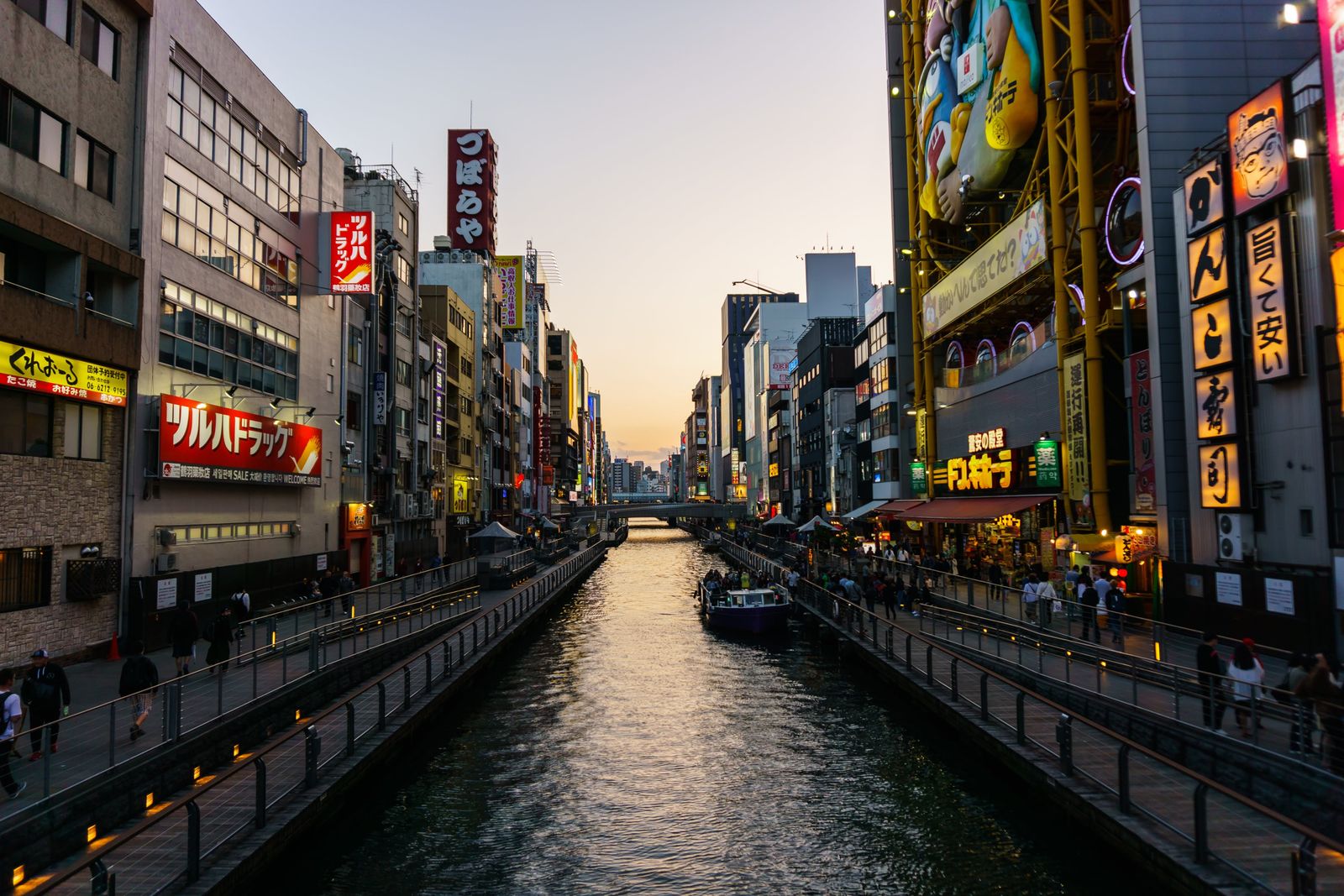
Dotonbori combines food, crowds, canal views and enough illuminated signs to recharge a small moon.
The Osaka Holiday Diet
Steps walked: impressive. Calories: we are not discussing this.
Osaka rewards wandering. Dotonbori is the obvious neon spectacle, but the city's personality comes through just as strongly in its shopping streets, food counters and neighbourhood restaurants.
The Shinkansen: Britain, Please Look Away
The bullet train turns inter-city travel into part of the holiday.
Japan's Shinkansen network makes combining Tokyo, Kyoto and Osaka surprisingly straightforward. Reserved and non-reserved seating arrangements vary by service, so check the train you're taking rather than assuming every Shinkansen works identically.
If your baggage has combined dimensions over 160 cm and up to 250 cm, advance baggage-space reservations are required on specified Shinkansen routes including the Tokaido, Sanyo and Kyushu lines. Very large luggage is therefore worth thinking about before you reach the platform.
The Convenience Store Investigation
You went in for water. That was your first mistake.
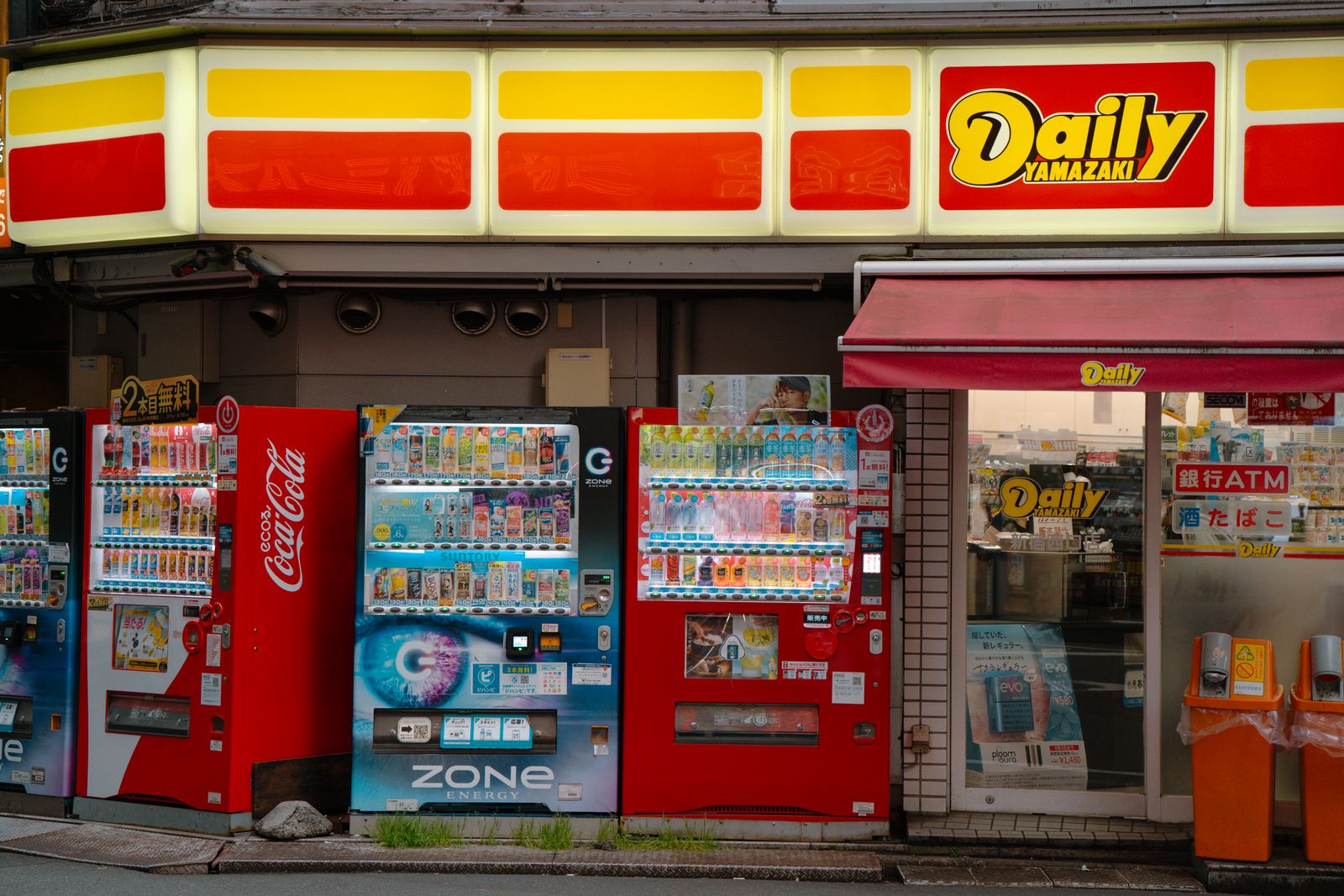
Japan's everyday convenience culture can become surprisingly useful to visitors.
Japanese convenience stores are genuinely useful: quick meals, drinks, snacks and everyday essentials are easy to find. They are not a substitute for exploring Japan's restaurant culture, but after a long travel day they can feel like somebody designed a shop specifically for tired tourists.
Japan's Vending Machines
Ordinary infrastructure somehow becomes part of the travel experience.
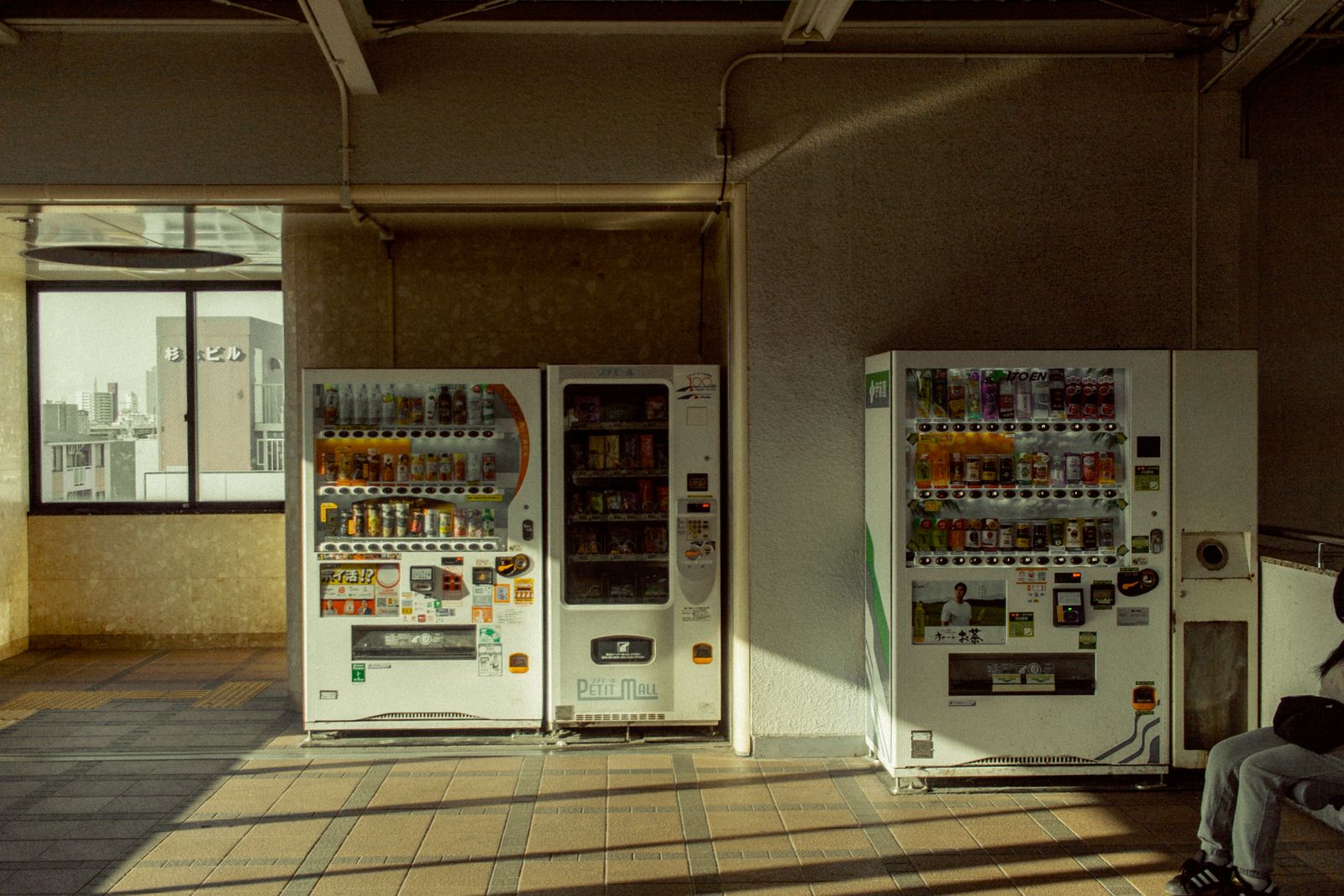
One of those everyday Japan scenes that visitors inexplicably photograph anyway.
The Great Japanese Toilet Control Panel
A travel experience nobody puts on the itinerary, yet everybody remembers.
Button 2: probably safe.
Button 3: interesting symbol.
Button 4: perhaps we should translate this first.
Important: the joke is the unfamiliar controls — not the instructions. Use the pictograms or translation rather than randomly pressing everything like you're launching a spacecraft.
Japan After Dark
Neon streets are only one version of a Japanese evening.
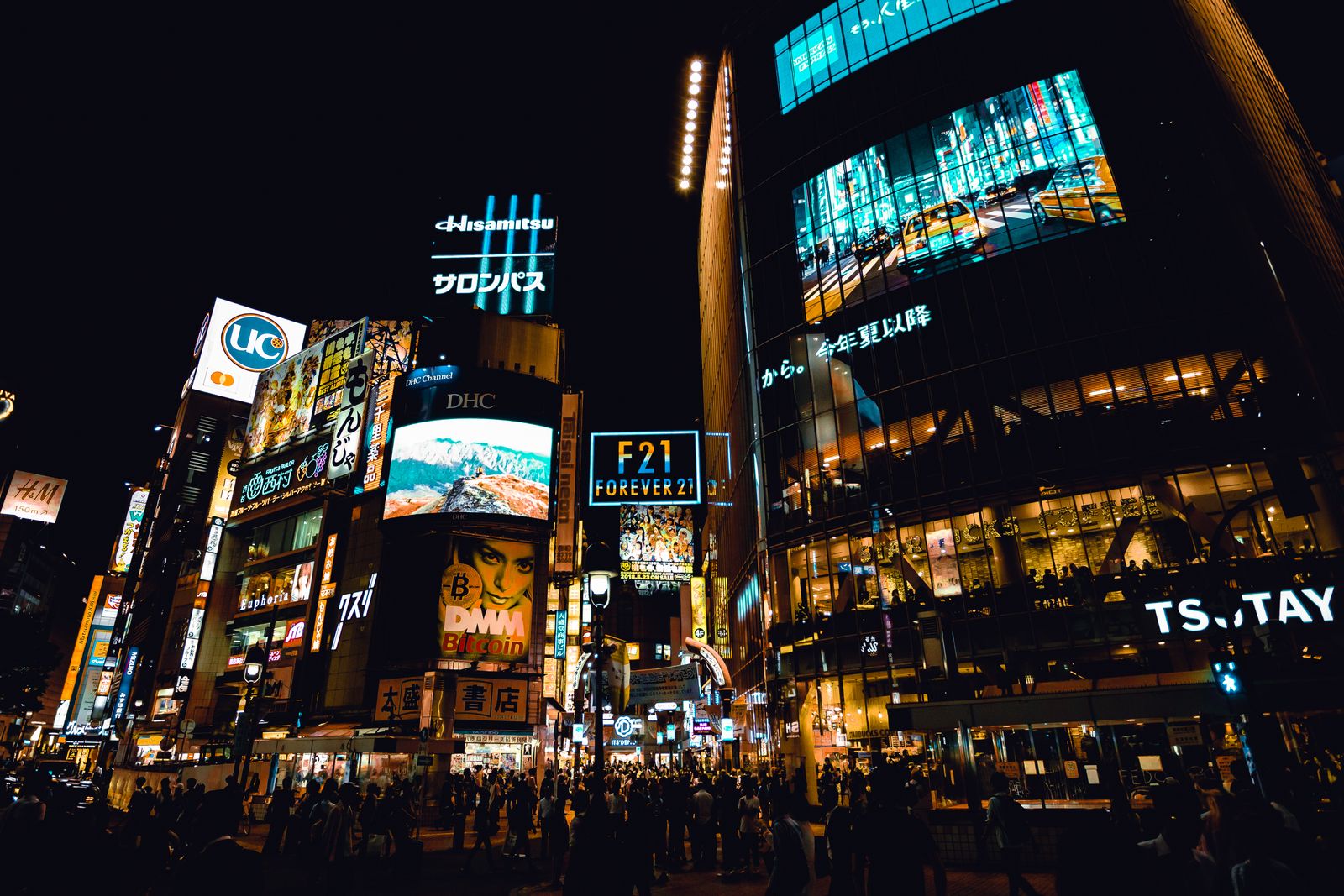
Tokyo's illuminated streets deliver the Japan many first-time visitors have imagined for years.
Tokyo and Osaka can feel completely transformed after sunset, with illuminated signs, restaurants and entertainment districts filling the streets. But some of the best evenings are quieter: a neighbourhood restaurant, an evening walk or simply watching the city operate around you.
Which Japan Traveller Are You?
Scientific accuracy: absolutely none. Recognition factor: worryingly high.
Things worth knowing before you go
The practical section worth saving to your phone before the fun starts.
For a typical visit, check the latest UK government Japan entry advice before departure. Your passport must be valid for the length of your stay and have a blank page for the visa stamp.
Japan uses the yen. Cards are widely accepted in major cities, but Japan can still be more cash-oriented than many UK visitors expect, so carrying some yen is sensible.
Prepaid IC cards such as Suica and PASMO can make trains, buses and small purchases much easier. Regional cards are widely interoperable for many everyday journeys.
Call 110 for urgent police assistance and 119 for fire or ambulance. JNTO also operates a 24-hour visitor hotline.
Japan uses 100V electricity and two flat parallel-prong plugs. UK travellers should take an appropriate adaptor and check that electrical devices support Japan's voltage.
Public Wi-Fi exists widely in major cities, but an eSIM, SIM or portable Wi-Fi can make navigation and translation much easier throughout the day.
Delivery services can send suitcases between airports, hotels and other supported locations, which can make multi-city travel considerably easier.
Tipping is not customary in Japan. Excellent service does not normally require adding a tip.
Japan's climate varies enormously by region and season. Check conditions for the exact cities and dates you're visiting rather than treating the whole country as one forecast.
UK Japan Travel Advice Official Japan Travel Planning
Useful travel tools
Sort the practical bits before Japan distracts you with ramen and railway stations.
The strange thing is how quickly the unfamiliar becomes normal.
On day one, the railway map looks terrifying. By day four, you're changing trains beneath Tokyo with suspicious confidence.
On day one, the convenience store seems unusual. By day six, you're emotionally attached to it.
On day one, everything feels unfamiliar.
By the final day, the strangest thing about Japan is that you're already working out when you can come back.




