
When Your Connecting Flight Leaves Without You
A practical guide to missed connections, rebooking, overnight waits and the detail that can change your rights: how the flights were booked.
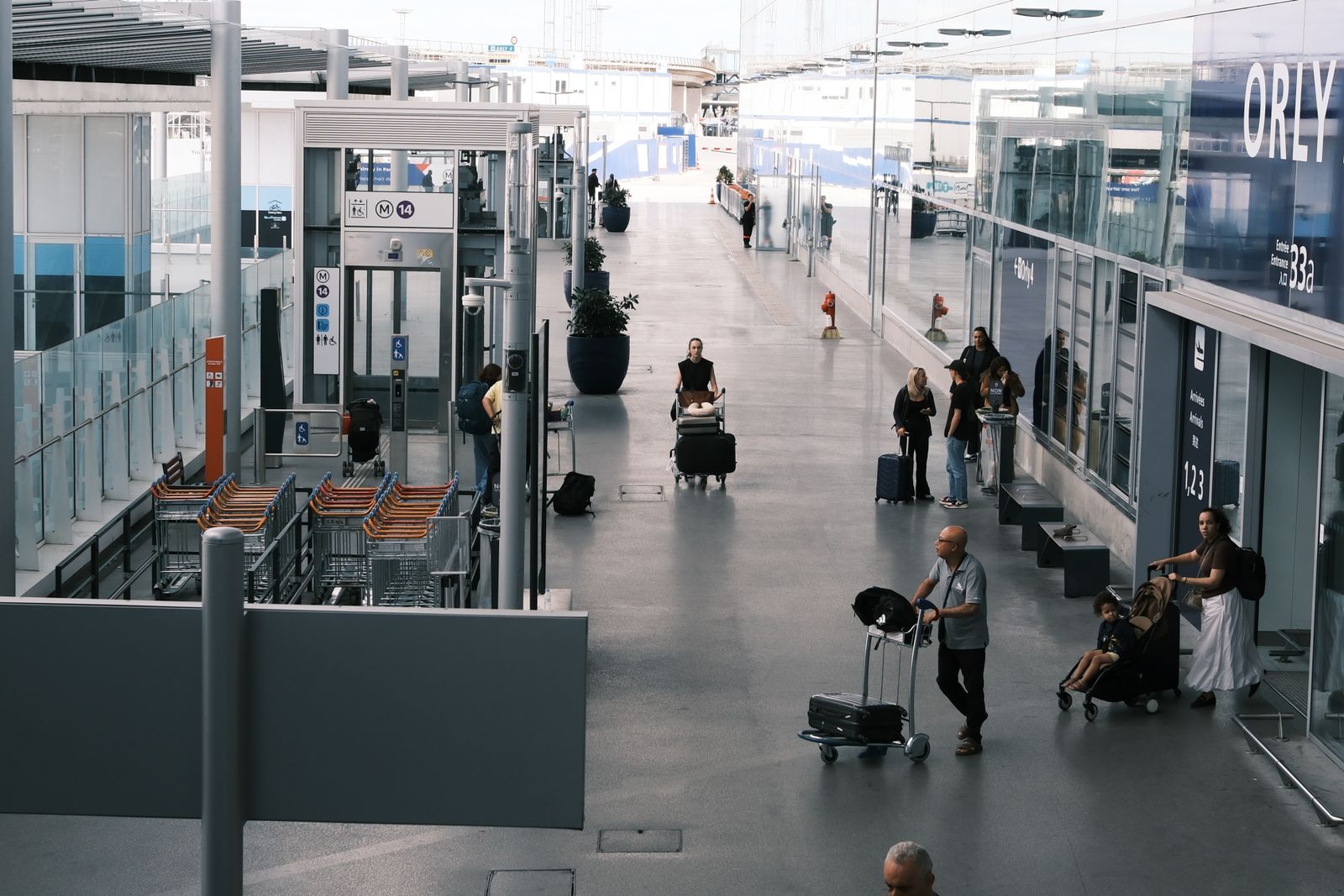
Your first flight lands late. You look at the departures board, do some extremely optimistic mental arithmetic and discover the gate is on the other side of an airport designed by someone who dislikes walking.
Missing a connection is miserable, but the next useful step depends on something you may have decided months ago: did you book the flights together as one journey, or buy separate tickets? I would check that first, then deal with the desk, the bags and the overnight plans in that order. Here is the fuller guide I would want on my phone in the middle of a disrupted journey.
The first ten minutes matter
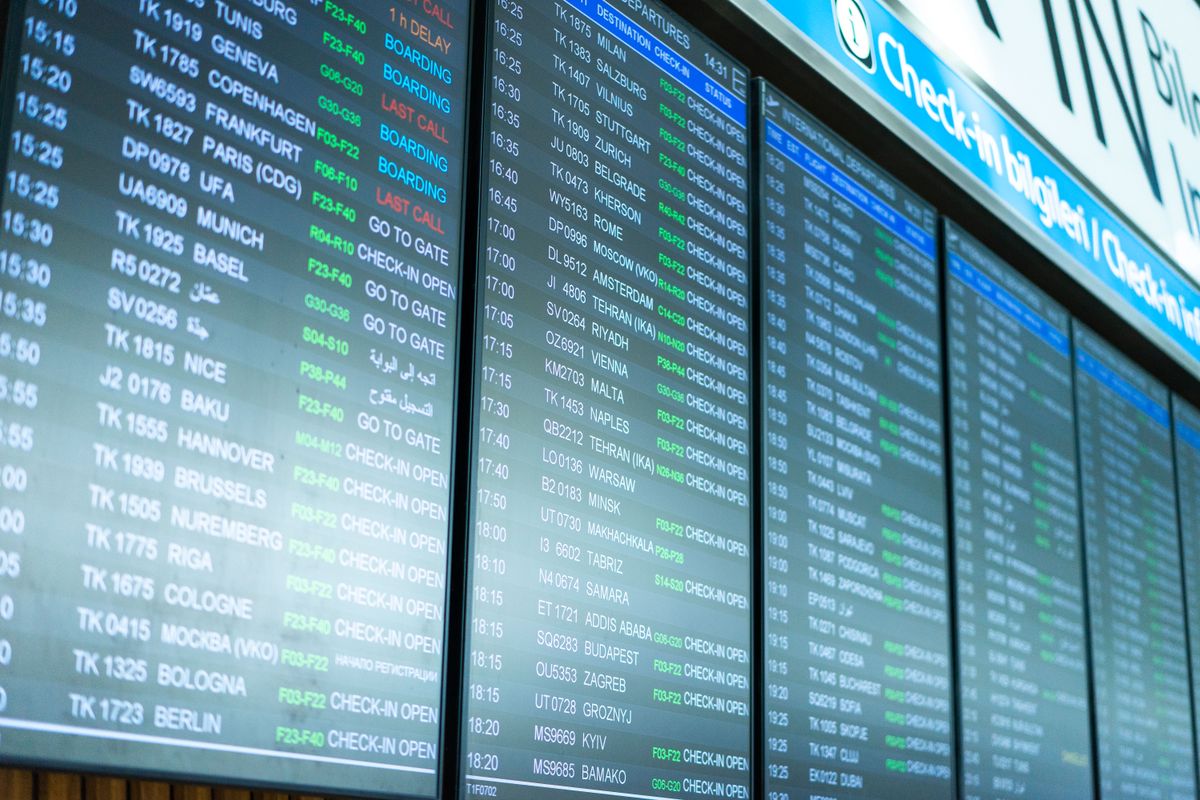
Open your airline app and check whether you have already been rebooked. Look at the airport departure board for the next flight and the airline’s transfer or service desk. If boarding is still possible, follow the airport’s connection signs and ask staff for the fastest permitted route. Do not bypass security or border controls; an impressive sprint will not help if you end up at the wrong terminal.
If the gate is closed, stop chasing it. Head for the airline’s transfer desk or call its official contact number while you queue. Keep all travellers on the same booking together where practical. If someone needs mobility assistance, tell the airline and airport staff early so it can be arranged for the replacement journey.
Photograph the departure board or save the app’s delay notice, but do not spend so long collecting screenshots that you miss the chance to speak to an agent. You can organise the evidence once a new route is confirmed.
Are the flights on one booking?
Find the email confirmation or e-ticket. A connecting itinerary booked as one journey usually lists both flights under one booking or ticket, even if different airlines operate each leg. Separate booking confirmations and separate ticket purchases generally mean a self-transfer. Do not judge only by whether you made one payment to a travel website; ask whether the flights were issued as a single connecting itinerary.
| Booking type | What it usually means after a missed connection |
|---|---|
| One connecting booking | For a covered disruption, the airline’s duty of care and possible compensation can be assessed through to the final destination on the booking. |
| Separate flight bookings | Each ticket is treated separately. A delay on the first ticket does not create a statutory duty to get you to the last destination on the second ticket. |
The UK Civil Aviation Authority makes this distinction explicitly. With separate bookings, rights that apply to a delayed or cancelled individual flight can still apply to that flight; the missing part is automatic protection for the whole self-transfer journey. Read the CAA’s guidance on connecting bookings.
Get the replacement journey confirmed
Show the agent the complete booking and explain which first flight was delayed or cancelled. Ask for the next available route to your ticketed final destination. Confirm every leg, the operating airline, the airport and date of arrival, and whether a connection in the new itinerary is realistically possible. If the agent gives you a standby option, ask whether you have a confirmed seat or only a place on a waiting list.
- Get the new itinerary in writing or in the airline app before leaving the desk.
- Check whether you need a new boarding pass or another check-in.
- Ask whether you must collect checked bags and recheck them.
- Check any entry or transit-document requirements for a newly proposed route.
Be careful before accepting a refund if you still intend to continue. Under the CAA’s covered delay rules, a refund option after a long delay can mean abandoning the unused part of the journey. Ask the airline to explain the consequences of the particular choice it offers you. If you are travelling on a package holiday, also notify the organiser using the details on your documents.
When another flight looks significantly earlier than the option offered, ask the airline whether it can reroute you on that service. Get the response in writing before independently buying a costly replacement ticket, because reimbursement of a self-booked flight can be disputed.
Meals, a hotel and getting there
Where UK passenger-rights rules apply to your connecting booking and a delay on the first leg causes the missed connection, the airline may owe care while you wait for the replacement flight once the relevant waiting threshold is met. That can include reasonable food and drink and, for an overnight wait, accommodation and transport between airport and hotel. Care and fixed-sum compensation are different questions; some disruption causes may affect compensation without removing a duty to care.
Food
Ask for a meal voucher or written guidance. If you must pay, buy reasonable refreshments and keep itemised receipts.
Overnight
Ask the airline to arrange a hotel and tell you how to get there and back for the new flight.
Information
Keep the rebooking, hotel and transport confirmations where you can access them without airport Wi-Fi.
If the airline cannot arrange care, ask it to record that fact and book something reasonable rather than choosing the most expensive room near the runway. Keep receipts for the room, essential transport and meals. The exact entitlements depend on the route and applicable rules; the CAA’s delay page sets out the thresholds and claim route.
Where is your checked luggage going?
Your bag may have been checked to the final destination, held at the connecting airport, or routed differently after rebooking. Ask the airline to check the baggage tag number and explain what you should do. If your replacement flight is tomorrow, do not assume you will be able to collect the suitcase tonight; equally, do not leave the airport without asking if you were meant to reclaim it.
Keep medication, passports, chargers and essential items with you in permitted cabin baggage on future journeys. For this journey, if checked luggage is unavailable overnight and you need basics, ask the airline what it will supply or reimburse and keep receipts. A baggage problem has its own reporting and claim process if the bag does not arrive at the destination. See the CAA’s baggage guidance.
Could you claim compensation?
For a covered connecting journey on a single reservation, the delay at the final destination matters. Depending on the applicable UK or EU rules, the route and the cause, arriving more than three hours late can make a passenger eligible for fixed-sum compensation. It is not automatic: extraordinary circumstances can affect eligibility, and arriving late because you missed a boarding deadline or were held up at security is different from a missed connection caused by a delayed inbound flight. Your Europe explains the EU rules.
Save this evidence before it disappears
- Original booking showing both flights and the final destination.
- Boarding passes and the replacement itinerary.
- Notifications showing why and when the first flight changed.
- The actual arrival time at your final destination.
- Receipts for reasonable meals, transport and accommodation.
- Any airline message explaining a refusal or rebooking decision.
Submit a claim directly to the airline through its official process, stating the flights, booking reference, what caused the missed connection and when you eventually arrived. Claim reasonable care expenses separately from any fixed-sum compensation. If you disagree with the decision, ask for the precise reason in writing. For a UK-regulated complaint, an approved alternative dispute resolution provider or the CAA’s passenger team may be the next step after the airline’s response.
What if the second flight was on a separate ticket?
Tell the second airline immediately that you are likely to miss or have missed its flight. Ask whether it will move you to a later service, what any change or missed-flight fee will be, and whether the onward or return parts of that booking remain valid. Do not assume that failing to board one leg leaves every later leg untouched; check the ticket’s conditions directly.
A separate first-flight delay does not ordinarily make the second airline responsible for taking you to your final destination for free. You may still have rights relating to the disrupted first flight itself, and your travel insurance may cover a missed connection or missed departure if the policy conditions are met. Check excesses, required connection time and evidence requirements before deciding what to buy next.
The airline or booking company may help as a goodwill measure even without a statutory obligation. It is worth asking calmly. The CAA also says that a long airport security queue, by itself, is unlikely to oblige an airline to provide a free alternative flight. Read its missed-flight advice.
Give future you a less frantic connection
When comparing routes, look beyond the headline fare. Check whether the booking is one protected connecting journey or separate self-transfer tickets. For separate tickets, allow time to leave the aircraft, collect bags, change terminals, complete entry procedures, check in again and pass security. An airport’s published minimum connection time for one airline itinerary is not a sensible guarantee for two independent tickets.
Check whether a terminal change needs a shuttle, whether the airport closes overnight and what entry documents are required if you must go landside. Leave extra space in the schedule when travelling with children, checked luggage or someone needing assistance. The cheapest itinerary can become expensive if one late arrival triggers a new ticket and hotel.
I would also keep booking numbers, airline apps, travel insurance details and a small cabin essentials kit easy to reach. Nothing will make a connection immune to delays, but knowing which desk and which booking you are dealing with saves a lot of guesswork.
First find the next confirmed flight
Rights and claims matter, but in the airport I would tackle the immediate problem first: confirm the booking type, get the onward journey in writing, ask about care and luggage, then keep the evidence. You can argue about the lost hour over a proper cup of tea once you have arrived.



